

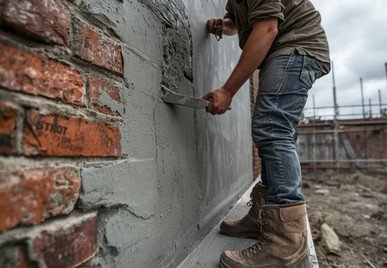
Should I render my brick house? Yes, rendering can be a smart choice if you want to modernise dated brickwork, improve street appeal, cover surface imperfections, or refresh your home’s exterior. However, it is not always the right move if your brickwork has moisture issues, structural cracks, or heritage value.
Rendering is popular across Australia because many older brick homes can look heavy, faded, or mismatched after renovations. A clean render finish can make the exterior feel more modern while still protecting the original masonry underneath when applied correctly.
The key is to understand what rendering can and cannot do before you commit. Superior Rendering helps homeowners weigh up the look, surface condition, product choice, and long-term maintenance before starting a project.
What Does Rendering a Brick House Actually Do?
Rendering involves applying a cement, acrylic, lime, or polymer-based coating over brickwork, blockwork, or masonry. It creates a new external surface that can be painted, coloured, textured, or finished in a smooth modern style.
For brick homes, render can help cover ageing bricks, dated colours, mortar staining, patchy extensions, or mixed materials. It can also give your home a more consistent appearance if previous renovations left different brick types visible.
That said, render is not a magic fix for every issue. If the wall has damp, movement, loose bricks, salt staining, or poor drainage, those problems should be checked first.
Should I Render My Brick House for Better Street Appeal?
Should I render my brick house if I mainly want it to look better? In many cases, yes. Rendering can dramatically change the look of a home, especially if the brick colour feels dated or does not suit your current style.
A rendered finish can suit modern, coastal, suburban, and renovated Australian homes. It also gives you more flexibility with exterior colour choices, trims, landscaping, garage doors, and feature cladding.
However, some brick homes already have strong character. If your home has beautiful original brickwork, heritage detailing, or carefully laid face brick, covering it may reduce some of its charm.
The Main Benefits of Rendering Brick
Rendering can offer both visual and practical benefits when the wall is sound and the right system is used. Common advantages include:
- A cleaner, more modern exterior
- Improved street appeal before selling or renovating
- Better consistency across old and new brickwork
- Extra surface protection from weather exposure
- A wide choice of colours and textures
- The ability to hide minor surface imperfections
- A refreshed look without rebuilding external walls
Australian homes face strong sun, heavy rain, coastal salt, temperature changes, and dust depending on the region. A suitable render system can help create a more resilient external finish, but it must be installed over a properly prepared surface.
When Rendering May Not Be the Best Choice
Rendering is not always the right answer. If your brickwork has ongoing moisture problems, render may trap or hide the issue rather than solve it.
You should be cautious if you notice bubbling paint, white powdery salt deposits, damp patches, major cracking, loose mortar, or bricks that sound hollow when tapped. These signs may point to moisture, movement, or substrate failure.
The National Construction Code requires external walls to manage weatherproofing so dampness does not create unhealthy conditions inside the building, which is why wall moisture should be taken seriously before rendering.
Cement Render, Acrylic Render, or Textured Finish?
Cement render is a traditional option often used on brick and block walls. It can be cost-effective and strong, but it is more rigid than some modern systems.
Acrylic render is more flexible and can suit homes where minor movement, exposure, or finish quality is a concern. Texture coat systems can also help create a more decorative look while hiding slight surface unevenness.
In Australia, rendering costs are often quoted per square metre, with current guides commonly placing general rendering between about $30 and $80 per square metre depending on product type, access, preparation, and home height.
What to Check Before Rendering Your Brick Home
Before you decide, walk around the outside of your home and look closely at the condition of the walls. This simple check can help you understand whether rendering is likely to be straightforward or whether you need repairs first.
Look for:
- Cracks around windows, doors, and corners
- Damp patches near the ground or under gutters
- Salt staining or powdery marks on brickwork
- Loose, missing, or crumbling mortar
- Previous patch repairs or painted brick
- Areas where water sits against the wall
- Mixed brickwork from extensions or renovations
If the walls look dry, stable, and well maintained, rendering may be a great option. If several warning signs appear, get the wall assessed before choosing a finish.
Does Rendering Add Value to a House?
Rendering can add perceived value by improving the way your home presents from the street. Buyers often respond well to a neat, modern exterior because it gives the impression that the home has been cared for.
The value depends on the quality of the work, the colour choice, the home’s style, and the local market. A crisp render finish can support a renovation, but poor workmanship can have the opposite effect.
This is where practical advice matters. Superior Rendering can help you choose a finish that suits the home rather than simply following a trend.
Australian Standards and Wall Condition Matter
Brickwork is not just decorative. It forms part of your home’s external wall system, so the condition of the masonry matters before any coating is applied.
AS 3700:2018 sets out minimum requirements for the design and construction of masonry structures, including clay and concrete masonry. While homeowners do not need to understand every technical clause, the key takeaway is simple: render should be applied to a suitable, stable masonry surface.
Good preparation usually includes cleaning, checking adhesion, repairing damaged areas, managing cracks, and choosing a render system that suits the substrate. Skipping these steps can lead to cracking, drummy sections, staining, or early failure.
When to Call a Professional
Call a professional if you are asking, should I render my brick house, and you are unsure about wall condition, product choice, or long-term maintenance. A professional renderer can inspect the surface, identify moisture or cracking concerns, and recommend a suitable finish for your home.
You should also get expert help for two-storey homes, large façades, painted brick, coastal properties, damaged masonry, or homes with tricky access. These jobs often need careful preparation, equipment, and product knowledge.
For a clear assessment and practical advice, speak with Superior Rendering about your brick home, preferred finish, and project goals.
Conclusion
So, should I render my brick house? Rendering can be a great choice if your brickwork is dated, mismatched, weathered, or no longer suits the look you want. It can refresh your exterior, improve street appeal, and give your home a cleaner finish.
The most important step is checking the wall first. If the brickwork is dry, stable, and suitable, rendering can be a smart upgrade. If there are damp or structural concerns, those issues should be fixed before any render is applied.
To get the best result, choose the right render system, prepare the surface properly, and work with a team that understands Australian homes and conditions.
FAQ
Is rendering a brick house worth it?
Yes, rendering can be worth it if your brickwork looks dated, uneven, or mismatched. It can improve street appeal and give your home a more modern exterior.
Can you render over old brick?
Yes, old brick can often be rendered if it is clean, stable, dry, and properly prepared. Damaged mortar, damp patches, or loose areas should be repaired first.
Does render stop damp?
Render should not be used as a simple cover-up for damp. Moisture problems need to be found and fixed before rendering, otherwise the finish may fail.
How long does render last on a brick house?
A well-prepared render finish can last many years, depending on the product, workmanship, exposure, maintenance, and wall condition.