
Starting a rendering project is an exciting opportunity to refresh your home’s appearance and improve its long-term protection. However, the difference between an average result and an outstanding one often comes down to the decisions made before work even begins.
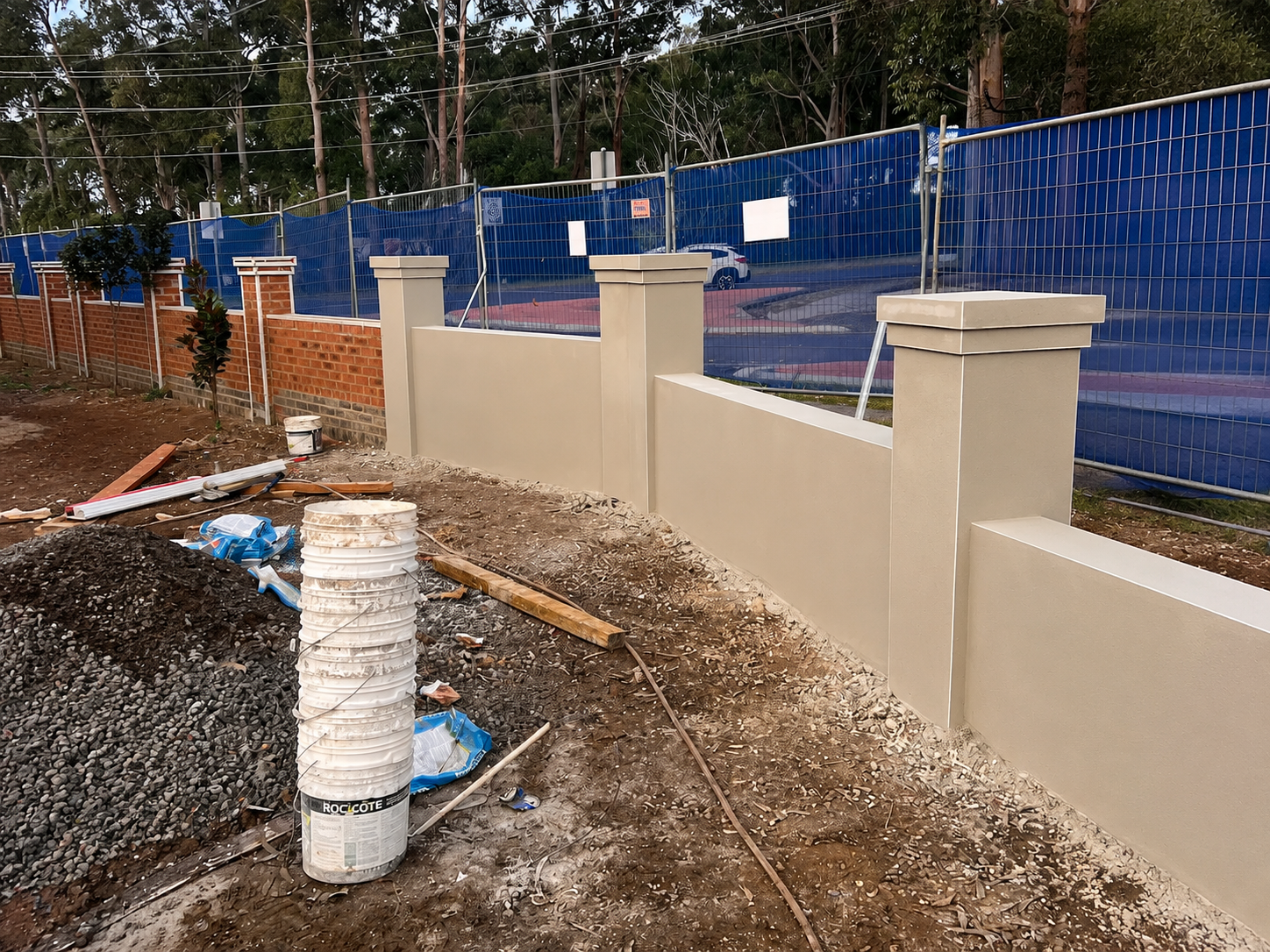
Many homeowners focus heavily on colours and finishes, yet factors such as surface preparation, product selection, timing, and workmanship often have a greater impact on the final outcome. Whether you’re renovating an older property or enhancing a newly built home, understanding the fundamentals of a successful rendering project can help you avoid unnecessary costs and achieve lasting results.
For homeowners seeking guidance from experienced professionals, Superior Rendering provides tailored rendering solutions designed to suit different property types, surfaces, and architectural styles. You can explore our rendering services to better understand which system may be suitable for your next project.
This guide outlines seven expert tips that can help you plan smarter, avoid common mistakes, and maximise the value of your rendering investment.
Tip 1: Define Your Goals Before Choosing a Render
One of the biggest mistakes homeowners make is selecting a render product before identifying their objectives.
Ask yourself:
- Do you want a modern appearance?
- Are you trying to cover ageing brickwork?
- Is weather protection the main priority?
- Are you preparing the property for sale?
- Do you want a specific texture or finish?
Your answers will help determine which rendering system is most appropriate.
A project focused on increasing street appeal may require a different solution from a project focused on long-term wall protection.
Tip 2: Assess the Condition of Existing Walls
Before selecting colours or finishes, it’s important to evaluate the condition of the underlying surface.
Professional renderers typically inspect:
- Existing cracks
- Moisture issues
- Structural movement
- Previous coatings
- Surface contamination
Applying render over an unsuitable surface can affect adhesion and lead to future problems.
Addressing these concerns early often saves considerable time and money later.
Tip 3: Match the Render System to the Surface
Not all walls are built the same, and not all renders perform equally on every surface.
Different substrates may require different solutions.
| Surface Type | Common Rendering Option |
| Brick | Cement or acrylic render |
| Concrete block | Cement render |
| Hebel panels | Lightweight rendering system |
| Blueboard | Acrylic rendering |
| Fibre cement | Flexible acrylic systems |
Choosing a compatible rendering system helps improve durability and overall performance.
Insert Image Here: Different wall surfaces prepared for rendering
Tip 4: Don’t Overlook Colour Selection
Colour affects far more than appearance.
The right colour can:
- Complement architectural features
- Improve street appeal
- Create a sense of space
- Modernise an older property
- Enhance resale presentation
When choosing colours, consider:
- Roof colour
- Window frames
- Landscaping
- Neighbouring properties
- Long-term trends
Neutral tones often remain popular because they offer versatility and timeless appeal.
Tip 5: Schedule Your Project at the Right Time
Timing plays a surprisingly important role in rendering success.
Extreme weather conditions can influence:
- Drying times
- Adhesion
- Finish consistency
- Overall project efficiency
While professional renderers understand how to manage environmental factors, scheduling work during favourable conditions can contribute to smoother project delivery.
For broader information about construction standards and building practices in Australia, homeowners can refer to the Australian Building Codes Board https://www.abcb.gov.au/.
Proper timing helps ensure the rendering system performs as intended.
Tip 6: Prioritize Workmanship Over Price
A rendering project is only as good as the workmanship behind it.
When comparing contractors, consider:
- Experience
- Portfolio quality
- Product knowledge
- Attention to preparation
- Communication throughout the project
The cheapest quote isn’t always the most cost-effective option.
Poor workmanship can lead to:
- Surface cracking
- Uneven finishes
- Premature deterioration
- Additional repair costs
Investing in experienced professionals often produces better long-term value.
Tip 7: Plan for Maintenance from Day One
Many homeowners assume rendering requires no maintenance. While rendered surfaces are relatively low maintenance, they still benefit from ongoing care.
A simple maintenance plan may include:
- Annual visual inspections
- Gentle cleaning when required
- Prompt crack repairs
- Surface repainting when appropriate
- Removal of dirt and organic growth
Consistent maintenance helps preserve appearance and extend the lifespan of the rendered finish.
Common Questions Homeowners Should Ask Before Rendering
Before committing to a project, consider asking:
What finish best suits my property style?
Different finishes create different visual outcomes. Smooth finishes suit contemporary homes, while textured finishes can add character and depth.
How long is the expected project timeline?
Project duration depends on surface preparation, weather conditions, and property size.
What maintenance will be required?
Understanding future maintenance requirements helps you plan for long-term care.
Are there alternative rendering options available?
A professional assessment can help identify solutions that best align with your goals and budget.
The Difference Good Planning Makes
A successful rendering project doesn’t happen by chance. It is the result of careful planning, informed decision-making, quality materials, and skilled workmanship.
By defining your objectives, preparing surfaces properly, choosing compatible materials, selecting appropriate colours, scheduling work strategically, prioritising quality installation, and maintaining the finished surface, you significantly increase the likelihood of achieving excellent results.
Ready to Start Your Rendering Project?
Whether you’re updating an ageing façade, improving weather resistance, or giving your property a modern new look, professional guidance can make the entire process easier and more effective.
At Superior Rendering, we help homeowners choose the right rendering solutions for their specific needs and deliver finishes designed for long-term performance and visual appeal.
Contact Superior Rendering today to discuss your project and discover how expert workmanship can help you achieve a durable, attractive, and successful rendering outcome.
FAQs
What should I do before starting a rendering project?
How do I choose between cement render and acrylic render?
How long does render typically last?
Does render require ongoing maintenance?
If you are planning a project, have a look at our acrylic rendering and cement rendering services across Sydney, or get in touch for a quote.