
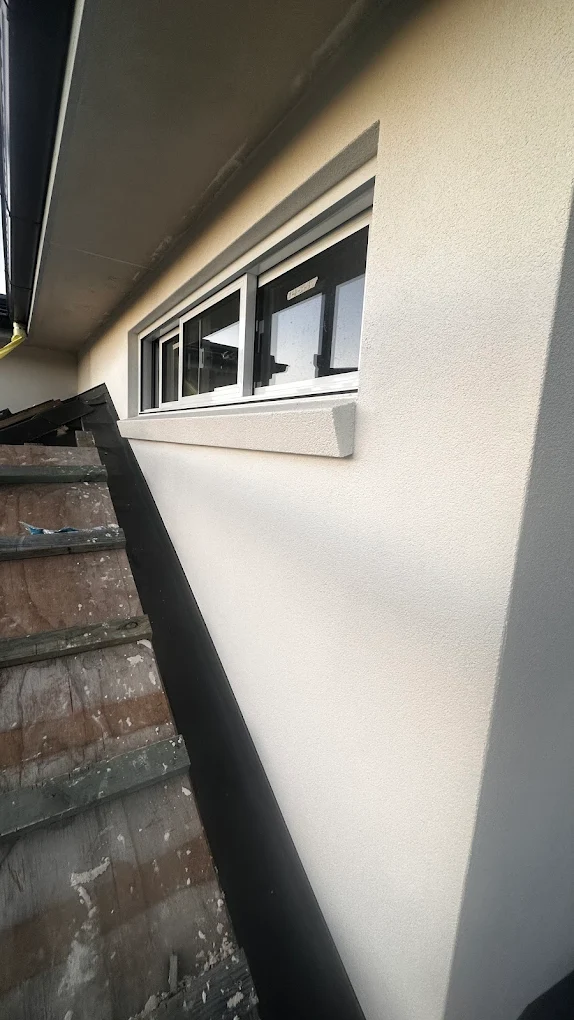
A new wall can look finished once Hebel panels are in place. Then you notice joints, surface marks, exposed corners and the plain grey appearance. The next question is usually simple: how do you turn that unfinished surface into a neat, weather-ready exterior without creating problems later? This is where the right rendering system matters.
Hebel is a lightweight form of autoclaved aerated concrete, commonly called AAC. It is used for external walls, additions, townhouses and other residential construction because it is lighter than conventional concrete and can provide useful thermal, acoustic and fire performance. However, the surface does not behave exactly like brick or ordinary masonry, so the finishing process needs to be planned around the material.
If you are comparing contractors for Hebel rendering Sydney projects, it helps to understand what is actually involved. A good finish is not a layer of render spread across a panel. Preparation, reinforcement, compatible products, curing conditions, detailing and the final coating all have a role in how the wall looks and performs.
Why Hebel Needs a Different Rendering Approach
Hebel panels have different surface characteristics from traditional brickwork. AAC can absorb moisture, and that affects how a render coat behaves during application and curing. Using a product simply because it works on another masonry surface can create adhesion, cracking or finish problems.
The manufacturer’s technical guidance explains that AAC surfaces need to be clean and prepared correctly, with suitable rendering products selected for the substrate. It also highlights the importance of compatible finishes and appropriate surface preparation. In practical terms, the first step in Hebel rendering Sydney work should always be checking the wall rather than assuming every panel is ready for the same treatment.
This matters on new builds and extensions. Dust, loose particles, damaged areas and incomplete joints can interfere with adhesion. Openings around windows and doors also need careful attention because movement and stress can become more noticeable at these points.
What the Rendering Process Usually Involves
A reliable Hebel rendering Sydney job starts before the first visible coat is applied. The wall should be inspected for damage, uneven areas, dust and other contaminants. Joints and imperfections should be dealt with according to the relevant system requirements.
Reinforcement is another important part of the process. Mesh is commonly incorporated into the base coat, with additional attention around joints, corners and openings. The purpose is not to make the wall impossible to crack; rather, it helps the finishing system manage movement and reduce the likelihood of visible cracking in vulnerable areas.
After preparation and reinforcement, the system may include a base coat, levelling or build coat, texture coat and final protective coating. The exact products and sequence should follow the manufacturer’s requirements for the particular Hebel product being used.
Choosing a Finish for Your Home
The final finish affects much more than colour. Texture, sheen, profile and coating type can change how a facade looks from the street and how easily dirt becomes noticeable.
A smooth finish can create a clean contemporary appearance, but it may show imperfections more readily. A lightly textured finish can disguise minor surface variation and provide a different visual character. Acrylic render and compatible texture coatings are often considered where flexibility and decorative options are important.
Colour deserves some thought as well. Very dark colours can create a modern look, while lighter neutral shades can make a facade feel brighter and may be easier to coordinate with roofs, windows and landscaping. The best choice depends on the architecture, surrounding homes and the amount of direct sun the wall receives.
Preparation Matters More Than People Expect
Many Hebel rendering Sydney problems begin underneath the finish. Dust, loose material, poorly treated joints or unsuitable moisture conditions can affect adhesion and curing. That is why experienced contractors spend time preparing the substrate instead of rushing straight to the visible coats.
Hebel’s technical documentation notes that the AAC surface should be clean and free from loose particles. It also explains that suction can vary and that the substrate should not be excessively dry or saturated. These details may sound technical, but they can make a noticeable difference to the finished wall.
Common Problems to Watch For
Cracking is often one of the most common concerns after rendering. Small cracks do not automatically mean a structural problem, but they should not be ignored. Cracks can develop from movement, poor joint treatment, inadequate reinforcement, unsuitable materials or application conditions.
Peeling, powdering or weak areas can also point to compatibility or preparation problems. If a contractor proposes using a standard cement render without checking the Hebel system requirements, ask why that product is suitable for the particular panels on your property.
Quick Bulletin: Before You Approve the Job
- Confirm which Hebel panel product is installed.
- Ask which render and coating system is being proposed.
- Check how joints, corners, windows and doors will be reinforced.
- Confirm what preparation is included in the quote.
- Ask how weather conditions will be managed during application.
- Make sure the final finish and colour are clearly specified.
Hebel Rendering Sydney: Planning Your Budget
The cost of Hebel rendering Sydney work can vary considerably from one property to another. A simple single-storey wall with clear access is very different from a multi-level extension requiring scaffolding and detailed preparation.
Factors include wall area, height, access, substrate condition, coats, reinforcement, texture and the complexity of windows, doors and corners. Repair work can also increase the preparation time.
It is tempting to compare quotes using only the price per square metre. That number can be misleading if one contractor has included full preparation, mesh, corner details, build coats, texture and final coating while another has allowed for a much simpler scope.
Where Hebel Works Well in Sydney Homes
Hebel is used in a range of residential applications. It can be found on new homes, upper-storey additions, extensions, granny flats, townhouses and some boundary or party-wall applications. Its lightweight nature can make it attractive where construction weight and installation efficiency are important.
This is why Hebel rendering Sydney should be viewed as part of the wall system rather than a cosmetic afterthought. The panels, joints, reinforcement, render and protective finish need to work together.
Comparing Common Exterior Finishes
| Finish or approach | Best suited to | Main consideration | Appearance |
|---|---|---|---|
| Acrylic render system | Flexible modern facades | Must suit the AAC substrate | Smooth to lightly textured |
| Texture coating | Homes needing added surface character | Texture must be applied consistently | Fine to medium texture |
| Cement-based render | Selected compatible systems only | Product compatibility is critical | Traditional rendered look |
| Painted compatible coating | Existing prepared surfaces | Requires sound substrate | Wide colour choice |
| Render and texture system | New Hebel facades | Needs complete system planning | Contemporary, uniform finish |
Compliance and Building Considerations
Hebel rendering Sydney is only one part of a compliant wall assembly. The broader construction must meet the requirements that apply to the project, including relevant planning, building and energy provisions.
NSW’s Planning Portal explains that BASIX recognizes several AAC wall construction types, including single-skin AAC and AAC veneer with an external finish. That is useful context when discussing the wall build-up with your builder or certifier. You can review the current NSW guidance on wall construction.
How to Choose a Rendering Contractor
Start by asking whether the contractor has experience with AAC or Hebel panels rather than only conventional brick rendering. The difference matters because preparation and product compatibility are central to the result.
Ask for a clear scope of work. It should explain preparation, joint treatment, reinforcement, coats, texture, colour and clean-up. If scaffolding or other access equipment is needed, check whether it is included.
Photos of previous work can help, but questions are even more useful. Ask how the contractor handles panel joints, damaged areas, corners and difficult openings. A knowledgeable contractor should be able to explain the process without making unrealistic promises.
Maintenance After Rendering
A rendered Hebel facade should not be treated as maintenance-free. Regular inspection can help you notice hairline cracks, damaged corners, failed sealant or areas where dirt and staining are developing.
If you notice a crack, investigate it rather than simply painting over it. The cause may be minor, but the repair method depends on the size, location and reason for the cracking.
Final Thoughts
Good Hebel rendering Sydney work starts with understanding the wall beneath the finish. AAC panels need compatible products, careful preparation, sound reinforcement and attention to details around joints, openings and corners. The final texture and colour then complete the appearance.
If you are planning a new build, extension or renovation, take time to compare the proposed system rather than choosing a quote on price alone. Ask what is included, which products will be used and how the contractor plans to prepare the panels. That small amount of planning can help you avoid expensive remedial work later.
For Sydney property owners arranging cutting, drilling or related construction work alongside a renovation, Rapid Sawing can be contacted through its service information, contact page, or home page. Trade sequence matters when several contractors work on the same project.