

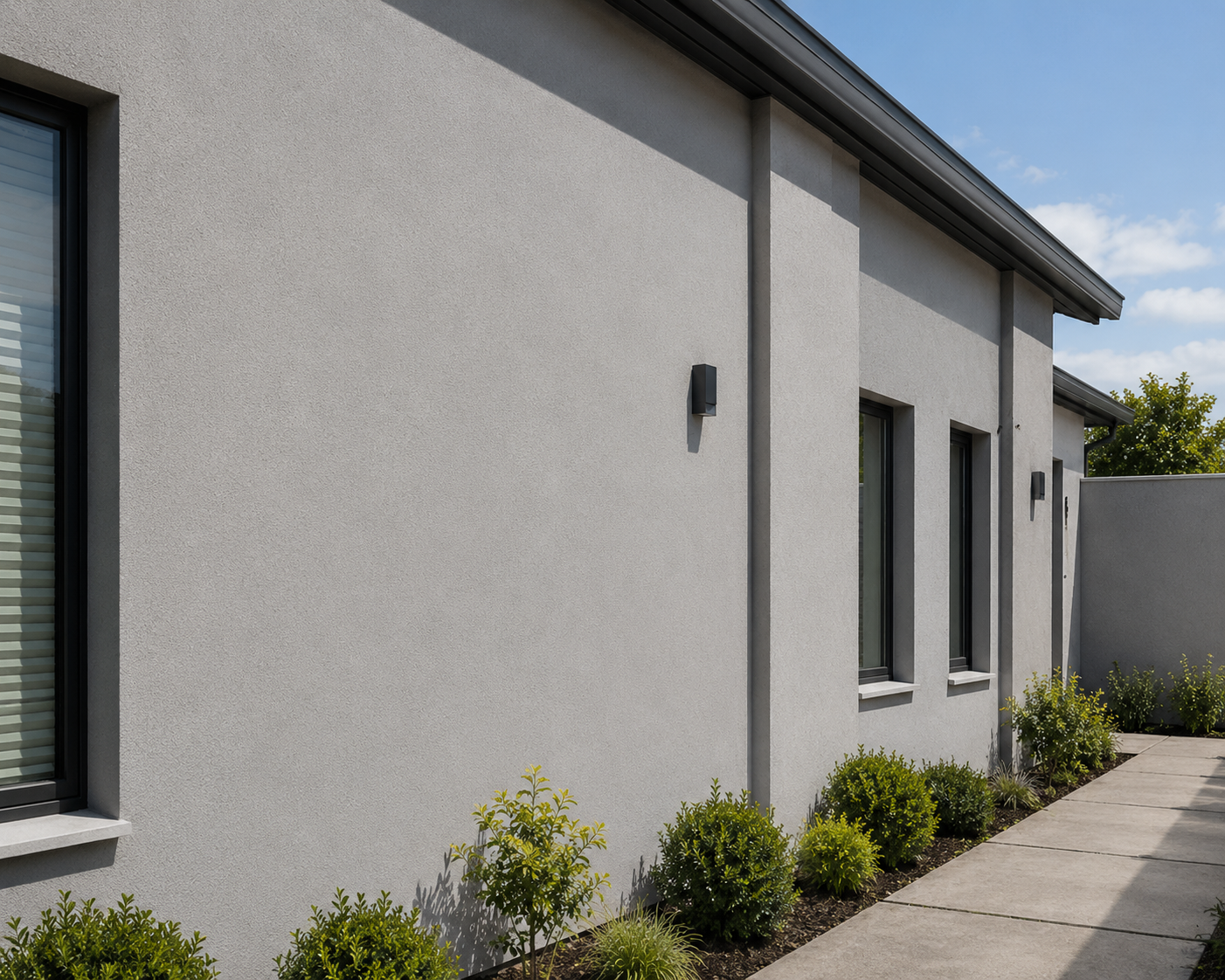
Yes, can cracked render be repaired is a common question, and in many cases, the answer is yes. Hairline cracks, small surface cracks, and localised damaged areas can often be repaired. However, deeper cracks, recurring movement, damp patches, or hollow render may need more than a simple patch.
Cracked render can appear on older homes, newly renovated façades, boundary walls, garages, and rendered brick exteriors. Australia’s harsh sun, heavy rain, coastal salt, ground movement, and temperature changes can all place stress on external wall finishes.
The best repair depends on what caused the crack in the first place. Superior Rendering can assess the surface, identify the cause, and recommend whether the area needs patching, resealing, re-coating, or a more detailed repair.
Why Does Render Crack?
Render can crack for several reasons. Some cracks are minor and mostly cosmetic, while others may point to movement, moisture, poor preparation, or a problem with the wall underneath.
Common causes include building movement, poor surface preparation, incorrect render mix, rapid drying, water damage, impact damage, ageing coatings, and expansion around windows or corners. On Australian homes, cracks may also appear where walls face strong afternoon sun or where rainwater constantly runs down the same section.
A crack should not be ignored just because it looks small. Water can enter even fine cracks over time, which may lead to staining, bubbling paint, loose render, or further deterioration.
Can Cracked Render Be Repaired or Does It Need Replacing?
Can cracked render be repaired without replacing the whole wall? Often, yes. Small surface cracks can usually be cleaned, filled, sealed, and refinished so the wall looks neat again.
Larger cracks need a closer look. If the render sounds hollow when tapped, has pulled away from the wall, or keeps cracking in the same place, the damaged section may need to be cut out and re-rendered.
Full replacement is usually only needed when the render has failed across a large area, the surface has widespread delamination, or the wall underneath has unresolved moisture or movement issues.
Types of Render Cracks
Not all cracks mean the same thing. Understanding the type of crack helps you choose the right repair.
- Hairline cracks: Fine cracks that may sit in the surface coating or render layer.
- Settlement cracks: Cracks caused by minor building movement over time.
- Structural cracks: Wider cracks that may continue through the wall beneath.
- Crazing: A network of fine cracks, often linked to drying, application, or mix issues.
- Impact cracks: Localised damage from knocks, tools, furniture, or garden equipment.
- Moisture-related cracks: Cracks with staining, bubbling, mould, or soft render nearby.
Hairline cracks are usually less concerning than wide, growing, or damp cracks. If a crack is getting larger, changing shape, or appearing around doors and windows, it deserves professional attention.
How Professionals Repair Cracked Render
A good repair is not just about filling the visible line. The area needs to be prepared properly so the repair blends in and lasts.
A professional may follow these steps:
- Inspect the crack and check whether the render is hollow or loose.
- Clean the area to remove dust, dirt, flaking paint, or weak material.
- Open the crack slightly if needed so repair material can bond properly.
- Apply a suitable filler, patching compound, flexible sealant, or render repair system.
- Reinforce the area where movement is likely to continue.
- Re-texture the surface to match the existing finish as closely as possible.
- Prime, seal, or repaint the wall section if required.
The aim is to treat the cause, not just hide the crack. A quick surface fill may look fine at first, but it can fail if moisture or movement remains underneath.
Can You Repair Render Yourself?
Small cosmetic cracks may be suitable for careful DIY repair if you are confident with surface preparation and finishing. This may involve cleaning the crack, applying an exterior-grade filler, sanding or smoothing the surface, and repainting the area.
However, DIY repairs can be tricky when the wall has a textured finish. A patch that is the wrong colour, depth, or texture may stand out more than the original crack.
You should avoid DIY repairs if the render is loose, damp, bubbling, crumbling, or cracking across a large area. These signs often need proper assessment before any patching begins.
When Cracked Render Is a Warning Sign
Some cracks are more serious than others. A fine surface crack on an older rendered wall may be simple to fix, but a wide crack running through brickwork or masonry could indicate movement.
The National Construction Code requires external walls to be weatherproof to help prevent dampness and unhealthy internal conditions, which is why cracks that allow moisture into a wall should not be ignored.
AS 3700:2018 sets out minimum requirements for the design and construction of masonry structures, including unreinforced, reinforced, and prestressed masonry. This matters because the wall beneath the render must be sound before the surface finish is repaired.
How to Prevent Render Cracks Coming Back
The best way to prevent repeat cracking is to address the underlying cause. If water is entering from gutters, flashings, garden beds, or poor drainage, the render may keep failing until the moisture issue is fixed.
You can reduce future problems by:
- Keeping gutters and downpipes working properly
- Preventing soil or mulch from sitting against rendered walls
- Fixing leaks before patching render
- Using suitable exterior paint or coating systems
- Avoiding impact damage from tools and furniture
- Checking small cracks before they spread
- Choosing the right render system for the wall type
Superior Rendering can recommend whether a flexible coating, acrylic render system, or localised repair is better suited to your wall.
Should You Repair or Re-Render the Whole Wall?
A small crack on one part of a wall may only need a local repair. This is often the most practical option when the rest of the render is stable and the finish can be matched.
A full wall re-render may be better if there are many cracks, large hollow sections, poor previous workmanship, or an old finish that no longer bonds well. Re-rendering may also make sense if you are updating the colour, texture, or appearance of the whole façade.
The right decision depends on the condition of the wall, the age of the render, and the result you want. A professional inspection can help you avoid spending money on a repair that will not last.
When to Call a Professional
Call a professional if you are asking can cracked render be repaired and the crack is wide, deep, spreading, damp, or recurring. You should also get expert advice if the render sounds hollow, flakes away, bubbles, or has staining around the crack.
A professional renderer can check whether the issue is cosmetic or linked to movement, moisture, poor adhesion, or wall damage. This helps you choose the right repair method instead of guessing.
For clear advice and a neat finish, speak with Superior Rendering about your cracked render and the best repair option for your Australian home.
Conclusion
So, can cracked render be repaired? Yes, many cracks can be repaired when the surface is stable and the cause is understood. Hairline cracks and small damaged areas are often easier to fix than large, damp, or recurring cracks.
The most important step is working out why the crack appeared. If the cause is ignored, the same crack may return after patching.
A careful repair can improve the look of your home, protect the wall surface, and extend the life of your render. For a lasting result, Superior Rendering can assess the damage and recommend the most suitable repair approach.
FAQ
Can cracked render be repaired without re-rendering the whole wall?
Yes, cracked render can often be repaired locally if the surrounding render is stable. Full re-rendering is usually only needed when damage is widespread or the existing render has failed.
Are hairline cracks in render serious?
Hairline cracks are often minor, but they should still be checked if they spread, allow water in, or appear with bubbling, staining, or loose render.
Why does repaired render crack again?
Repaired render may crack again if the original cause was not fixed. Common reasons include movement, moisture, poor preparation, or the wrong repair product.
Can you paint over cracked render?
You should not rely on paint alone to fix cracked render. The crack should be cleaned, repaired, sealed, and prepared properly before painting.