

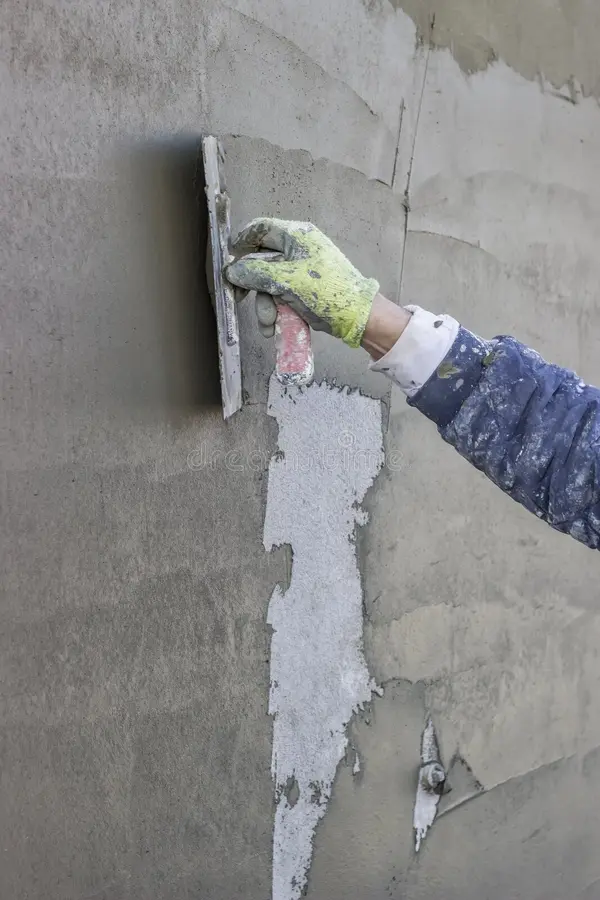
A rendered house can look perfectly fine for years, then suddenly a crack catches your attention. Perhaps it runs from the corner of a window, or there is a thin line across the front wall that seems to have appeared overnight. You might not think much of it initially. After all, the wall still looks decent from a distance.
But once you notice one crack, you tend to start looking for others.
This is something worth paying attention to, particularly in Sydney, where exterior walls deal with hot afternoons, sudden rainfall, humidity and changing temperatures. Older homes, renovated properties and newly built houses can all experience problems with their rendered finishes. The reasons, however, are not always the same.
An Exterior Render Crack might be caused by something relatively simple, such as the render drying too quickly. It could also be connected to moisture entering the wall or movement in the building itself.
The tricky part is deciding whether the problem is only on the surface. A fresh coat of paint might hide the mark for a while, but it will not correct a problem underneath. Before arranging repairs, it helps to understand what might have gone wrong.
Why Do Rendered Walls Develop Cracks?
Render is designed to give an exterior wall a more uniform appearance while providing a suitable protective finish. It is commonly applied to brickwork, concrete blocks and other compatible surfaces.
However, the rendered coating and the wall beneath it are exposed to the same surroundings. Neither remains completely unchanged.
Think about a west-facing wall during a Sydney summer. It can receive direct sunlight for several hours, heating the surface considerably. Later in the evening, the temperature drops. This repeated change places stress on the materials.
Moisture creates another set of problems. Water entering through damaged seals or defective drainage can affect the wall behind the coating. If the render begins losing its bond, cracks and loose patches may follow.
Sometimes the problem starts before the rendering work is even finished. A dusty surface, unsuitable mixture or incorrect application technique can affect the result.
So, rather than assuming every crack has the same explanation, it is worth looking at the individual conditions around the property.
8 Reasons Exterior Render May Start Cracking
1. Natural Movement in the Building
A house moves slightly throughout its life. That does not necessarily mean there is something wrong with the construction.
Building materials respond to temperature, moisture and changes in the ground beneath them. In some Sydney suburbs, variations in soil moisture can also influence how the ground behaves around a property’s foundations.
The effect may become visible on rendered walls.
For example, a homeowner might notice a diagonal crack near a bedroom window or a line appearing where an older section of the house meets a recently built extension.
These areas deserve attention because different parts of a building may respond differently to movement.
Small, stable cracks can sometimes be limited to the surface. However, if the gap continues to widen, returns after previous repairs or appears alongside displaced masonry, it needs a closer assessment.
It is better to establish what is happening before covering the damage.
2. The Surface Was Not Clean Enough Before Application
A good rendering job starts with the wall itself.
It is easy to focus on the finished colour or texture, but the condition of the existing surface is just as important. Render needs a suitable substrate to bond properly.
Imagine a brick wall covered in dust, loose particles or old flaking material. Applying a new coating over that surface does not automatically make it stable.
The render may initially appear smooth. Problems can develop later when the material dries, the wall heats up or environmental conditions begin affecting the coating.
Preparation should be appropriate for the particular substrate. Some surfaces may need cleaning and loose material removal, while others may require specific preparation or a bonding product recommended for the selected system.
Taking shortcuts at this stage can mean dealing with avoidable repairs later.
3. The Rendering Mixture Was Too Wet
A mixture that is easy to spread is not necessarily a good mixture.
Adding too much water can change how render behaves as it dries. Excess moisture may contribute to shrinkage, leaving fine lines across the finished surface.
This can happen when the mixing proportions are not followed or when someone adds extra water to make the material easier to work with.
The product itself matters as well. Different rendering materials have different requirements, so using a mixture intended for another application may create problems.
A consistent mix, prepared according to the manufacturer’s instructions, helps produce a more reliable finish.
4. Hot Weather Caused the Surface to Dry Too Quickly
Sydney’s summer weather can make exterior rendering challenging, especially on exposed walls.
A wall receiving direct sunlight may become quite hot. If wind is also present, fresh render can lose moisture faster than expected.
This is not ideal because the material needs suitable conditions to dry and cure. Rapid moisture loss can contribute to shrinkage and fine surface cracking.
The issue is particularly relevant when work is carried out on large exposed elevations.
Experienced applicators consider the weather before starting. They also follow the product’s recommended curing process rather than treating drying time as the same for every job.
5. Water Has Been Getting Behind the Coating
This is one of the problems homeowners should not overlook.
Sometimes a crack is only one visible sign of a moisture issue that has been developing for some time.
Water might be entering through a damaged window seal, leaking pipe, overflowing gutter or defective roof drainage. Once it reaches the wall, the moisture can affect the render and its bond with the substrate.
You may notice other changes around the same area:
- Paint starts peeling, even though the rest of the wall looks fine.
- White powdery deposits appear on the surface.
- A patch remains darker than the surrounding wall.
- Parts of the render become loose or begin blistering.
- The damage becomes more noticeable after periods of rain.
These signs do not all point to the same problem, but they are useful clues.
Filling the crack without finding the water source is unlikely to provide a lasting repair. The moisture issue needs to be investigated first.
6. Movement Joints Were Not Properly Planned
Have you ever noticed cracks appearing along a particularly long rendered wall?
One possible factor is the way movement has been accommodated in the wall design.
Buildings experience small changes as materials expand and contract. Control joints are used in suitable locations to help manage expected movement.
When the required joints are missing, poorly positioned or unsuitable for the system, stress can build up across the rendered surface.
The result may be cracking at corners, wall junctions or other vulnerable points.
Joint requirements should be considered during the planning stage. Their location depends on the construction and the manufacturer’s specifications, rather than a single arrangement that works for every property.
7. The Render Was Applied in the Wrong Thickness
More material does not always produce a better finish.
Each rendering system has recommended application thicknesses. Some products require multiple coats, with appropriate intervals between applications.
If a thick layer is applied all at once when the system calls for thinner coats, drying may become uneven.
The outer surface might dry while the material underneath remains wetter. As the render continues to dry and shrink, internal stress can develop.
Uneven application can also leave certain sections more vulnerable than others.
Following the specified application method is a straightforward way to avoid unnecessary problems.
8. The Existing Finish Has Reached an Older Stage of Wear
Sydney has plenty of older rendered properties, and not every damaged wall has suffered from poor workmanship.
External finishes spend years exposed to sunlight, wind, rainfall and pollution. Eventually, some surfaces begin to show their age.
You might notice that an old repaired section has started cracking again. Perhaps the original colour has faded, or small areas are beginning to separate from the wall.
In these circumstances, the overall condition of the finish matters.
A few isolated defects may be repairable. If the coating is deteriorating across a large area, a more extensive restoration approach may make better sense.
The decision should be based on the condition of the existing render, not simply the age of the house.
How Sydney Weather Affects Exterior Render
The weather conditions around a property can make a noticeable difference to how its exterior finish performs.
A house close to the coast may experience salt exposure and stronger winds. A property further inland may have different temperature and moisture conditions.
Even within the same house, the front wall and rear wall may experience different levels of sunlight and rain.
Here is a practical look at some conditions that can affect rendered surfaces.
| Sydney weather condition | What can happen to the rendered surface | What should be checked |
|---|---|---|
| Hot summer afternoons | Rapid drying and temperature changes | Application and curing conditions |
| Heavy rainfall | Moisture entering existing defects | Gutters, roof drainage and window seals |
| Cooler winter conditions | Different drying conditions | Product-specific application requirements |
| Coastal exposure | Salt and weather-related deterioration | Material suitability and surface condition |
| High humidity | Slower moisture evaporation | Damp areas and drying conditions |
| Strong winds | Faster moisture loss during application | Weather conditions during rendering |
| Repeated temperature changes | Expansion and contraction | Suitable movement joints |
The table is a useful starting point, but weather alone cannot confirm why a particular wall has cracked. The substrate, materials and original workmanship also need to be considered.
How to Tell What Type of Crack You Are Looking At
The shape of a crack can provide some information, although it should never be treated as a definite diagnosis.
Fine hairline cracks: These may appear during drying or as a result of minor surface movement. If they remain stable, the issue may be limited to the finish.
Cracks running vertically: These can be associated with wall movement, construction junctions or stress around particular sections.
Diagonal cracks near windows: Openings create areas where stress can concentrate. Cracks around window and door corners should be checked, particularly when they become wider.
Horizontal cracks: These may be connected to separation between materials, moisture-related damage or movement in the wall.
Network-style cracks: Several fine lines appearing together can indicate surface shrinkage or issues with the rendering mixture and application.
If you are unsure, take a photograph rather than immediately attempting a repair. A second photograph taken a few weeks later can help show whether the crack has changed.
When assessing cracks in rendered walls, it is also worth understanding the building standards that apply to residential properties. The NSW Government’s Guide to Standards and Tolerances provides useful information about common building defects, workmanship and acceptable tolerances. This can help homeowners better understand when a visible defect may require further professional assessment.
What Should You Do When You Find a Crack?
The first reaction is often to find a suitable filler and cover the mark. That is understandable, especially when the crack is on a visible front wall.
However, a little investigation beforehand can save repeated repair work.
Start by looking at the surrounding surface. Is the render still firm? Is there any bubbling or peeling? Does the wall show signs of dampness?
Next, look at what is above and around the damaged area. A leaking gutter or failed window seal could be contributing to the problem.
For a significant or recurring crack, arrange an inspection before deciding on the repair.
Depending on what is found, the work might involve preparing and repairing a small section, removing loose render, addressing moisture entry or investigating movement within the building.
Where structural movement is suspected, a suitably qualified building professional or structural engineer should assess the issue.
The repair should deal with the actual cause, not just make the wall look better for a few months.
Practical Ways to Prevent Further Render Damage
Homeowners cannot control every change in weather or movement within a building. What they can do is maintain the property and make sensible decisions when exterior work is required.
A few habits can make a difference:
- Walk around the property regularly: Check the front, rear and side walls rather than only looking at the most visible elevation.
- Keep drainage working properly: Gutters and downpipes should direct rainwater away from vulnerable wall sections.
- Check around windows and doors: Damaged seals can create entry points for moisture.
- Do not ignore small changes: A crack that repeatedly returns deserves more attention than another coat of paint.
- Use compatible materials: Rendering products should suit the existing substrate and exposure conditions.
- Allow proper preparation time: Removing loose material and preparing the wall should not be rushed.
- Follow the recommended curing process: Fresh render needs suitable conditions to develop as intended.
- Arrange an inspection after major damage: Storms and heavy rainfall can reveal problems that were not obvious beforehand.
One useful habit is to photograph areas that have previously been repaired. If the same section starts deteriorating again, those photographs can help explain the history of the problem.
When Is Professional Rendering Advice Necessary?
Not every crack requires major restoration work. Some are minor surface defects, while others need a more detailed investigation.
If the render is falling away, the crack is becoming wider or moisture is appearing behind the coating, it is sensible to get professional advice.
The same applies to damage that repeatedly returns after repairs. Repeating the same patching process without understanding the cause rarely improves the long-term result.
A rendering specialist can assess the condition of the finish and advise whether localised repairs or broader restoration are appropriate.
If the signs suggest movement within the structure, the matter should be referred to an appropriately qualified building professional.
Getting the right person to assess the problem is important. A rendering repair and a structural repair are not the same job.
Conclusion
A crack in a rendered wall can be frustrating, particularly when the exterior was looking good only a short time ago. Sometimes the cause is a drying issue or a problem with the original application. Other times, moisture or movement within the building is involved.
For Sydney homeowners, the sensible approach is to avoid guessing. Look at the surrounding surface, consider whether water could be entering the wall and have recurring or significant damage assessed before arranging repairs.
A well-executed repair starts with understanding the wall, choosing compatible materials and dealing with the reason the damage occurred.
If you have noticed cracking, loose patches or an ageing exterior finish, Superior Rendering can help you discuss suitable rendering and restoration options for your property. Get in touch to arrange professional assistance and give your home’s exterior the attention it needs.
Frequently Asked Questions
1. Can exterior render crack even when the house is newly built?
Yes. New buildings can experience natural settling and material movement. Cracks may also develop because of drying conditions, incorrect mixing or poor surface preparation. The location and development of the damage help determine whether further investigation is necessary.
2. Should I paint over a cracked rendered wall?
It is better to understand the cause first. Paint may improve the appearance of a minor surface defect, but it will not repair loose render, moisture damage or movement in the wall. A suitable repair should be completed before repainting.
3. Does coastal weather affect rendered homes in Sydney?
Coastal properties can experience salt exposure, strong winds and changing moisture conditions. These factors can contribute to the deterioration of external finishes. Selecting suitable materials and maintaining the exterior can help manage exposure-related wear.
4. Can cracked render be repaired without removing the entire finish?
In many cases, yes. If the damage is localised and the surrounding render is firmly attached, a suitable localised repair may be possible. Extensive deterioration or widespread adhesion problems may require more substantial work.
5. What is the best way to stop exterior render cracks returning?
Start by identifying why the original crack developed. This might involve correcting moisture entry, addressing substrate problems, accommodating movement or using a compatible repair material. The right solution depends on the condition of the wall.