

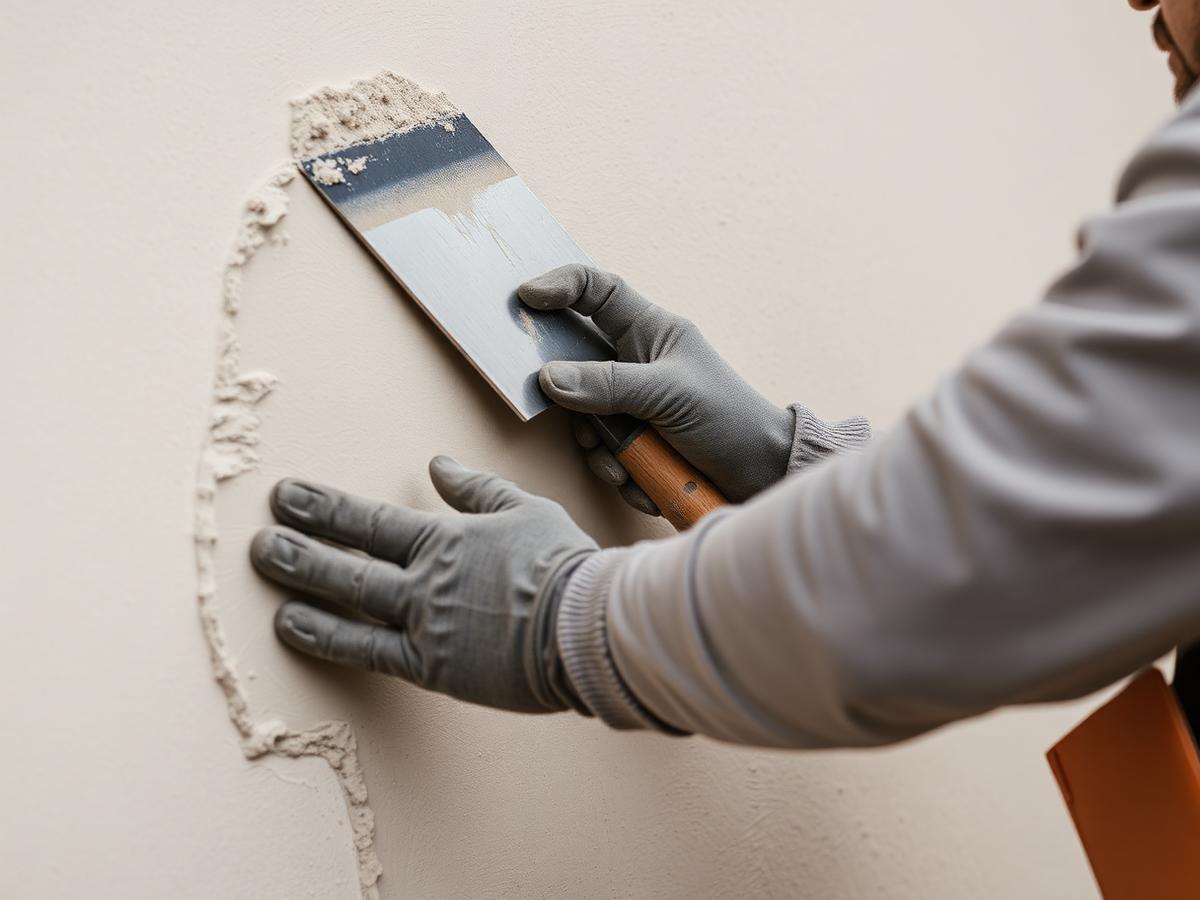
A home can look tired even when the rest of the property is in good condition. Faded exterior walls, uneven surfaces and old render can affect the overall appearance. For some homeowners, the obvious solution is a fresh coat of paint. However, paint may not address deeper surface problems or the finish they want to achieve.
Rendering is another option worth considering. It can improve the appearance of exterior walls, create a more consistent surface and give an older property a refreshed look. The challenge is finding a finish that suits the building without stretching the renovation budget.
When comparing affordable rendering services Sydney, it helps to look beyond the initial quote. The type of render, condition of the walls, preparation required and size of the project all influence the final cost. A suitable choice is not always the cheapest one. It is the option that meets the property’s needs and provides a finish you are happy to live with.
Why Are More Sydney Property Owners Considering Rendering?
Rendering can make a noticeable difference to a property’s exterior. Older brickwork, mixed wall surfaces and worn finishes can make a building look dated. A new render finish gives the walls a more uniform appearance and can help the property feel better maintained.
It is also a practical choice for different types of buildings. Homeowners may consider rendering during an exterior renovation, while commercial property owners may want to improve the presentation of their premises.
The reasons vary from one project to another. Some people want to update the look of their home before selling. Others are repairing damaged areas or finishing an extension. In each case, the right approach depends on the existing wall surface and the result expected.
What Affects the Cost of Rendering in Sydney?
There is no single price that applies to every rendering project. Two properties with similar floor areas may need very different amounts of preparation and labour.
Before comparing quotes, understand the main factors that can influence the cost.
1. Condition of the Existing Walls
The wall surface is one of the first things a renderer needs to assess. A clean, stable surface may require less preparation than a wall with loose material, cracks or uneven sections.
If old render is separating from the wall, the affected areas may need to be removed and repaired. Applying a new finish without dealing with the underlying problem can lead to further issues.
2. Type of Rendering Material
Different rendering systems have different material requirements and application methods. Cement rendering, acrylic rendering and texture coatings are not interchangeable in every situation.
The right material depends on the substrate, exposure conditions, desired appearance and manufacturer’s requirements. Choosing a product simply because it has a lower purchase price may not be suitable for the wall.
3. Size and Design of the Property
A larger wall area generally means more materials and labour. However, the layout also matters. Walls with many corners, windows, architectural details or difficult access may take longer to complete than broad, open surfaces.
4. Surface Preparation
Preparation is an important part of the job, even though it is not always visible once the work is finished.
Cleaning, repairing, removing loose material and preparing the substrate can add to the project cost. These steps help create a suitable base for the selected rendering system.
5. Access to the Work Area
A single-storey home with clear access may be more straightforward to work on than a multi-storey property with restricted access. Scaffolding, site access and safety arrangements may affect the quote.
Which Rendering Finish Should You Choose?
The best finish is not necessarily the most expensive option. It should suit the wall, the property and the appearance you want.
Cement Rendering
Cement rendering is a traditional option used on suitable masonry surfaces. It can create a smooth or textured finish depending on the application and specified result.
It may be considered for brick walls and other compatible substrates. The wall still needs to be assessed before work begins, as not every surface is suitable for the same system.
Acrylic Rendering
Acrylic render contains acrylic additives and is used in a range of applications where the product is suitable for the substrate. It is available in different finishes and can be useful for projects requiring a particular texture or appearance.
The manufacturer’s instructions should always guide preparation, application and curing.
Texture Coatings
Texture coatings offer different surface appearances, from relatively fine textures to more pronounced finishes. They can help create a consistent look across an exterior, particularly when the property has several wall sections.
The final appearance depends on the product selected, the preparation and the application technique.
Polystyrene Rendering Systems
Some building projects use an external wall system that incorporates expanded polystyrene boards with compatible reinforcing and render layers. These systems require suitable installation details and products designed to work together.
They should not be treated as a simple replacement for ordinary wall rendering. The complete system needs to be selected and installed according to its specifications.
How to Plan an Affordable Rendering Services Sydney Project
A little planning before requesting quotes can make the process easier. Start by deciding which walls need attention and what you want the finished property to look like.
You do not need to choose every technical detail yourself. However, having a clear idea of the problem helps a contractor provide a more useful assessment.
For example, there is a difference between rendering an entire exterior and repairing a few damaged sections. If you are renovating only one part of the property, ask whether the proposed finish can be matched with the surrounding walls.
It is also worth considering whether other exterior work should be completed before rendering starts. Windows, drainage details and some building repairs may need attention first. Coordinating the work can reduce the chance of having to disturb a newly finished surface.
Comparing Rendering Options and Their Typical Uses
| Rendering option | Common application | What to consider |
|---|---|---|
| Cement rendering | Suitable masonry surfaces | Substrate condition and required finish |
| Acrylic rendering | Compatible wall surfaces | Product suitability and application method |
| Texture coating | Exterior decorative finishes | Texture, colour and maintenance expectations |
| Polystyrene render system | Compatible external wall systems | Complete system specifications and installation |
| Render repairs | Localised damaged areas | Cause of damage and compatibility with existing render |
This comparison is a starting point, not a substitute for a site assessment. A renderer should check the wall before recommending a product or method.
How to Compare Quotes Without Missing Important Details
A quote should explain what the contractor intends to do, not just provide a final figure. If one quote is much lower than another, check whether both include the same work.
Ask each contractor to clarify:
- Which walls and areas are included in the job.
- What preparation and repairs are required.
- Which rendering product or system is proposed.
- Whether the finish and colour have been specified.
- How access and site protection will be handled.
- What is excluded from the quoted amount.
- How any additional work will be priced and approved.
This makes it easier to compare like with like. It also reduces the chance of discovering that important preparation work was not included.
The NSW Government recommends obtaining more than one written quote, checking references and examples of previous work, and using a written contract where required. You can read its guidance on checking whether a contractor or tradesperson is qualified.
Common Budget Mistakes to Avoid
One common mistake is choosing a rendering material before checking the wall. A product that works well on one substrate may not be appropriate for another. The contractor should establish what the surface needs before recommending a system.
Another mistake is overlooking repairs. Cracks, loose render and moisture-related problems may need attention before a new finish is applied. Covering them without understanding the cause can create more work later.
It is also easy to compare quotes based only on the total price. A lower figure may exclude surface preparation, repairs or certain sections of the property. Always read the scope of work.
Finally, avoid making last-minute changes without discussing the cost and practical impact. Changes to the finish, colour or work area can affect materials, labour and the completion schedule.
Is Rendering Worth Considering for an Older Property?
For an older home, rendering can be one way to update the exterior without changing the entire structure. It may help create a more consistent appearance across older brickwork, extensions and repaired wall sections.
However, the condition of the existing walls matters. If there are signs of movement, persistent moisture or significant cracking, those issues should be investigated before decorative work begins.
A site inspection can help determine whether rendering is appropriate, whether repairs are needed and which finish is likely to suit the building.
Choosing a Rendering Contractor in Sydney
The quality of the finished wall depends on more than the product used. Preparation, application and attention to detail all have a part to play.
When speaking with a contractor, ask about their experience with the type of wall you have. Request examples of similar projects and find out how they approach surface preparation. A clear explanation is often more useful than a broad promise about the final result.
You can also review the contractor’s communication and quote. Do they explain what is included? Are they willing to discuss different finishes? Have they identified any areas that may need repair?
These details help you understand what you are paying for before the project begins.
Conclusion
A well-planned rendering project does not have to involve choosing the most expensive finish. It starts with understanding the condition of the walls, selecting a suitable system and comparing quotes that cover the same work.
Take time to discuss preparation, materials and the expected finish before making a decision. This gives you a clearer picture of the project and helps prevent avoidable surprises during the work.
If you are considering an exterior upgrade, Superior Rendering can help you explore suitable rendering and plastering options for your Sydney property. Visit the services page to learn more, read about the team, or get in touch to discuss your project.
Frequently Asked Questions
1. How much do affordable rendering services in Sydney cost?
The cost depends on the wall area, surface condition, rendering material, preparation and access. A contractor will usually need to inspect the property or review suitable project details before providing an accurate quote.
2. Which rendering option is suitable for a brick house?
Cement rendering and some acrylic rendering systems may be suitable for compatible brick surfaces. The right choice depends on the condition of the brickwork, the desired finish and the product specifications.
3. Can I render only part of my home’s exterior?
Yes, a project can focus on selected walls or damaged sections. However, matching the new finish with existing surfaces may require careful consideration of texture, colour and application.
4. Does wall preparation increase the cost of rendering?
It can. Cleaning, removing loose material, repairing cracks and preparing the surface all require time and materials. These steps should be explained in the quote rather than left unclear.
5. How do I choose a reliable rendering contractor in Sydney?
Review previous work, ask for a detailed written quote, check relevant qualifications and insurance, and clarify the scope before agreeing to the job. Do not make your decision on price alone.