

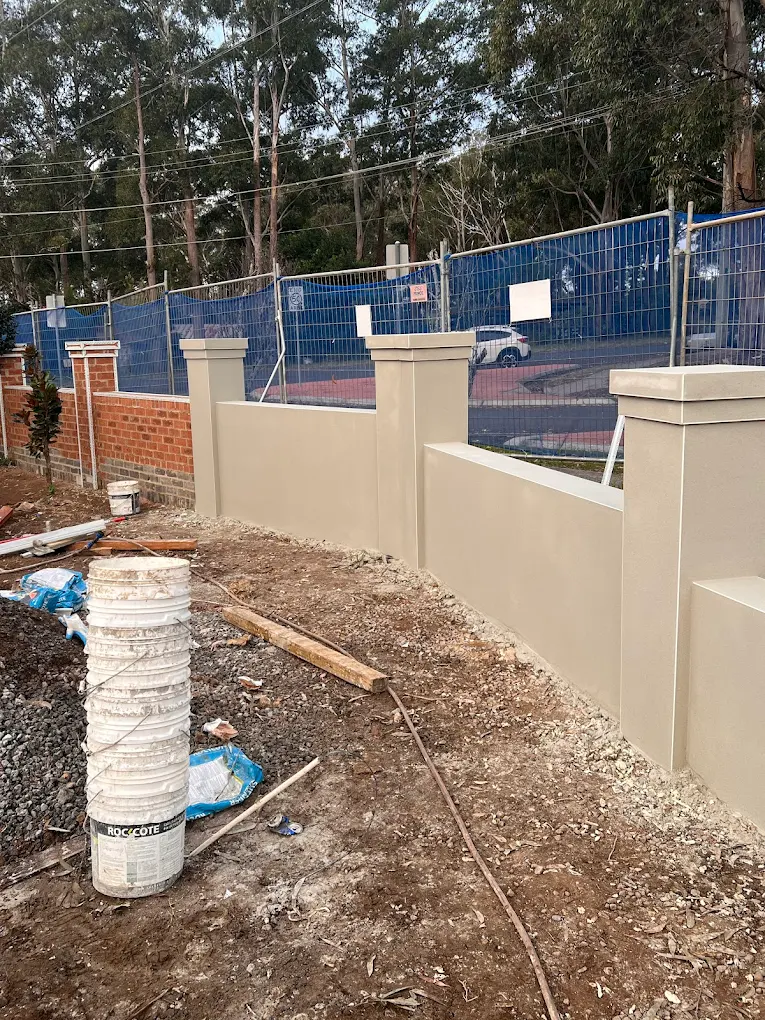
How much does it cost to render a house in Australia? In 2026, most homeowners can expect a broad starting range of about $45 to $80 per square metre, depending on render type, wall condition, access, height, preparation, and finish quality.
Rendering can transform tired brickwork, lift street appeal, and give an older home a sharper, more modern look. A single-storey façade is very different from a two-storey exterior with cracks, old paint, tight access, or moisture damage.
How Much Does It Cost to Render a House in Australia?
Cement render is usually the more budget-friendly option, while acrylic, polymer, coloured, and textured systems tend to cost more because they offer different levels of flexibility, durability, or design choice. Recent Australian pricing guides place cement rendering lower, with acrylic and polymer systems increasing from there.
The best way to estimate your budget is to measure the wall area, then allow for preparation and site complexity. Windows, corners, returns, damaged surfaces, height, and access all affect labour.
What Affects the Cost of Rendering?
A professional renderer looks at the full wall system, not just the visible face of the wall. The biggest cost factors usually include:
- Wall condition: Cracks, loose paint, drummy render, damp areas, and uneven brickwork take extra preparation.
- Render type: Cement, acrylic, polymer, and textured finishes all have different material and labour needs.
- Access: Narrow paths, steep blocks, gardens, fences, pools, and limited parking can slow the job down.
- Height: Two-storey homes often need scaffolding or access equipment.
- Finish: A smooth painted finish differs from a coloured render system or decorative texture.
- Repairs: Damaged masonry, rising damp, and failed coatings should be fixed first.
This is why a site inspection matters. Superior Rendering can assess the actual walls, explain suitable options, and help you avoid paying for a finish that does not suit your home.
Cement Render vs Acrylic Render
Cement render is a traditional mix applied over brick, block, or concrete. It suits many straightforward projects where the walls are stable and the homeowner wants a clean, solid finish.
Acrylic render includes acrylic additives that can improve adhesion and flexibility. This can help on homes exposed to movement, strong sun, changing temperatures, or varied Australian weather.
Coloured and textured systems may reduce the need for separate painting, depending on the product used, but they usually cost more upfront. If you are asking how much does it cost to render a house, the cheapest option is not always the best long-term choice if your walls need a more flexible system.
How to Estimate Your Rendering Budget
You can make a rough estimate before requesting a quote. It will not replace an inspection, but it helps you understand project size.
- Measure the length of each wall.
- Multiply the length by the height to estimate square metres.
- Subtract large openings, such as garage doors, where appropriate.
- Choose a rough square metre rate based on the finish you want.
- Add an allowance for preparation, repairs, scaffolding, and painting if needed.
A smaller façade may suit a tighter budget. A full exterior with several elevations and difficult access will usually need a larger allowance.
Can You Save Money Without Cutting Corners?
Yes, but only in the right places. You can reduce wasted time by clearing access, trimming plants, moving outdoor furniture, and deciding early whether you want paint, texture, or coloured render.
You should not save money by skipping preparation. Poor preparation is a common reason render cracks, bubbles, stains, or separates from the wall. Fix moisture problems first, because render should not hide rising damp, leaking gutters, or poor drainage.
Standards, Weatherproofing, and Australian Conditions
Australian homes deal with harsh sun, wind-driven rain, salt air, and temperature changes that can stress external walls. The National Construction Code is Australia’s main framework for building design and construction, and the 2025 edition covers modern requirements for safety, health, amenity, accessibility, and sustainability.
For masonry homes, AS 3700:2018 sets minimum requirements for the design and construction of unreinforced, reinforced, and prestressed masonry, including built-in components.
This means rendering should not be treated as a quick cosmetic skim. The wall needs to be sound, the surface must suit the product, and movement or moisture issues should be addressed before the finish goes on.
When to Call a Professional
Call a professional when the render area is large, the home is two storeys, the walls show cracking, or you are unsure which product suits your substrate. You should also get advice if you see damp patches, salt staining, loose render, bubbling paint, or uneven brickwork.
Superior Rendering can help you understand the right approach, from preparation through to finish selection. A clear quote should explain the render type, surface preparation, access needs, inclusions, exclusions, and whether painting or coloured finish systems are included.
Conclusion
So, how much does it cost to render a house? In Australia, the answer depends on size, access, wall condition, render type, and finish quality, but most homeowners should start by thinking in square metres rather than guessing from a flat price.
The best result comes from matching the render system to the home, not just choosing the lowest quote. For practical advice and a finish suited to Australian conditions, Superior Rendering can provide a tailored quote.
FAQ
Is rendering a house worth it?
Yes. Rendering can improve street appeal, cover dated brickwork, and give your home a cleaner exterior, when the walls are properly prepared.
How long does house rendering last?
A well-prepared render finish can last for many years. Lifespan depends on the product, wall condition, exposure, movement, and moisture control.
Can I render over painted brick?
Sometimes, but painted brick needs assessment. Loose, glossy, or failing paint can stop proper adhesion, so preparation or removal may be required.
Do I need council approval to render my house?
Many cosmetic rendering jobs do not need approval, but rules vary by council, property type, heritage overlays, and structural changes. Check local requirements before starting.