

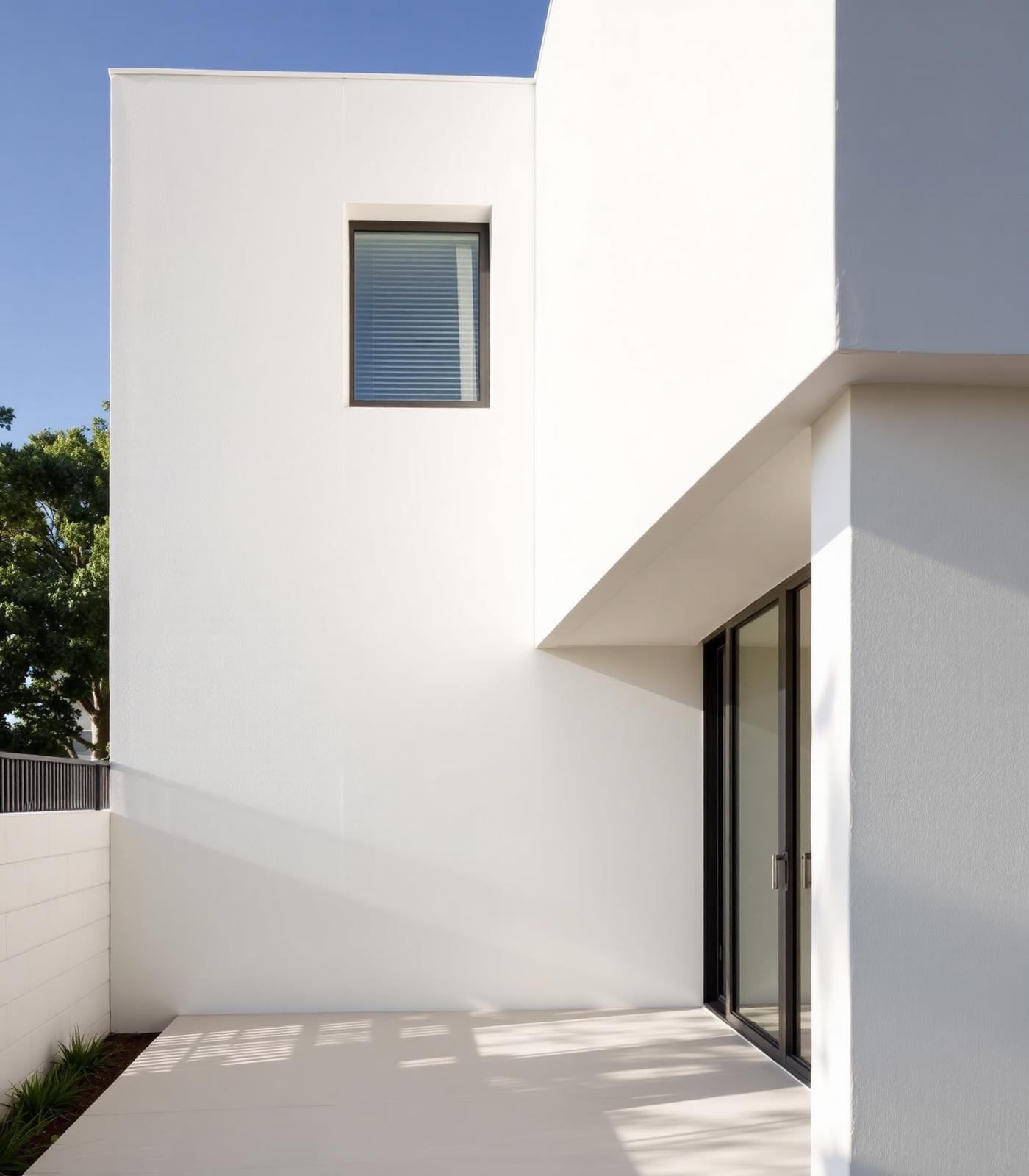
The outside of a home can change the way the entire property looks. Old brickwork, patched walls, uneven surfaces and tired finishes can make a house appear dated even when the rest of the property is well maintained. Rendering provides one way to give those surfaces a cleaner, more consistent appearance without completely rebuilding the walls.
For homeowners considering residential rendering Sydney, the choice is not simply about selecting a colour or texture. The existing wall material, surface condition, exposure to weather, desired appearance and type of render all need to be considered before work begins. Getting those decisions right can make the finished result look better and last longer.
What Is Residential Rendering?
Residential rendering involves applying a suitable render system to the walls of a home. Depending on the property and chosen product, the finish can be smooth, textured, coloured or designed to complement a particular architectural style.
Render can be applied to suitable brick, concrete, block and other compatible surfaces. It is commonly considered during renovations, extensions and exterior makeovers, as well as for new homes where the facade is being designed from the beginning.
Professional residential rendering Sydney services should begin with an assessment of the existing surface. A renderer needs to understand what is underneath the finish before recommending a system, because the wrong product or inadequate preparation can create problems later.
Why Do Homeowners Choose Rendering?
One of the biggest reasons homeowners choose rendering is the visual change it can make. A dated brick facade can take on a completely different character with a modern render finish, while patched or mismatched areas can be brought together into a more uniform exterior.
Rendering can also form part of a broader renovation. It can be coordinated with new windows, landscaping, roofing, doors and other exterior improvements to create a more cohesive appearance.
Superior Rendering states that its Sydney rendering solutions are tailored to the property, budget, preferred finish and project requirements. The company provides services for homes, renovations and new builds across Sydney.
Types of Rendering for Sydney Homes
Different render systems have different characteristics, so there is no universal option for every house. Cement rendering remains a traditional choice, while acrylic rendering can offer greater flexibility. Other systems and decorative finishes may be suitable depending on the wall construction.
The existing substrate is one of the most important factors. A renderer should consider whether the wall is brick, block, concrete, lightweight construction or another compatible surface before recommending the finish.
| Rendering Option | Typical Residential Use | Main Characteristics | Best Consideration |
| Cement rendering | Brick, block and concrete homes | Traditional, strong finish | Suitable substrate and preparation |
| Acrylic rendering | Modern homes and varied surfaces | Flexible, durable and versatile | Surface compatibility |
| Polystyrene rendering | Lightweight facade systems | Lightweight wall solution | System design and insulation requirements |
| Texture coating | Decorative exterior finishes | Range of textures and appearances | Desired architectural style |
| Render repairs | Existing rendered homes | Addresses damaged or cracked areas | Cause and extent of damage |
The final choice should be based on the property rather than simply selecting the render that looks best in a sample.
Cement Rendering for Residential Properties
Cement rendering has been used on Australian homes for many years and remains a practical option for suitable masonry surfaces. It can create a strong, clean finish and can be used to change the appearance of older brick or block walls.
For homeowners renovating an older property, cement rendering may help create a more consistent facade. It can also be considered when an extension has introduced new wall sections that need to blend visually with the existing building.
The preparation underneath the render is particularly important. Walls may need cleaning, repairs and other preparation before the cement render is applied.
Acrylic Rendering for Homes
Acrylic rendering is another option for residential projects. Compared with traditional cement-based render, acrylic products can provide greater flexibility and are suitable for a wider range of compatible surfaces.
This can make acrylic rendering useful for modern homes where homeowners want a contemporary finish. It can also provide options for different colours and textures, depending on the selected product.
Superior Rendering describes acrylic rendering as a flexible and durable solution with good adhesion and crack resistance for modern residential and commercial properties.
The suitability of an acrylic system still depends on the wall and its condition. A professional assessment should come before the product is selected.
Exterior Wall Rendering Sydney Homes
Exterior walls have to deal with more than appearance. They are exposed to rain, wind, sunlight and temperature changes throughout the year, so the finish needs to be appropriate for the environment and substrate.
A properly selected exterior render can give a home a more uniform appearance while providing a finished surface over suitable wall materials. The final texture and colour can also influence how large, modern or traditional the property appears.
Homeowners should avoid choosing an exterior render based solely on photographs. The actual wall condition and construction need to be considered before the application process begins.
Rendering During a Home Renovation
Renovation work often leaves homeowners with a mixture of old and new materials. An extension might have newer walls beside older brickwork, while previous repairs can leave patches that are difficult to disguise with paint alone.
Rendering can help create a more consistent appearance across these areas. It can also provide an opportunity to change the overall style of the home without replacing the underlying wall structure.
Before starting, it is worth considering how the proposed render will work with the roof, windows, doors, landscaping and other exterior elements. A finish that looks good on its own may not necessarily suit the entire property.
Rendering a New Home
New homes provide an advantage because the wall system and exterior finish can be considered together during the design stage. This gives builders and homeowners more opportunity to coordinate the substrate, insulation, render system and final appearance.
The NSW Planning Portal recognises several external wall types within BASIX, including AAC systems with an external finish, insulated facade systems and polystyrene formwork with an external render.
This does not mean that every rendered wall provides the same thermal performance. Insulation and wall construction need to be considered as a complete system and should meet the applicable requirements for the project.
Can Rendering Help With Street Appeal?
The front facade is usually one of the first things people notice about a home. A tired exterior can make a property feel older, while a clean and well-finished facade can create a more modern impression.
Colour and texture play a major role in this. Light render can make a facade feel brighter, while darker or textured finishes can create a stronger architectural appearance.
For homeowners planning to sell, rendering may also be considered as part of a broader property presentation strategy. It is not a substitute for structural repairs, but it can make suitable existing surfaces look substantially fresher.
When Does Render Need Repair?
Not every damaged rendered wall needs to be completely replaced. Depending on the cause, some problems can be addressed through targeted repairs.
Cracks, damaged sections, loose render or visible deterioration should be assessed before a new coating is applied. Simply covering an underlying problem may leave the cause unresolved.
Superior Rendering provides render repair services for cracked, damaged and ageing render, with the appropriate repair approach determined by the condition of the surface.
Signs Your Home May Need Rendering Work
Homeowners do not always notice gradual changes to their exterior walls. A facade can slowly become worn until cracks, discolouration or damaged areas become obvious.
A quick inspection every so often can help identify problems before they become more difficult to address. Pay particular attention to areas around openings, extensions and places where previous repairs have been carried out.
- Cracks that are becoming wider or more noticeable.
- Loose, damaged or deteriorating sections of existing render.
- Uneven surfaces or visible patch repairs.
- Areas showing unusual staining or moisture-related marks.
- Aged render that has lost its original appearance.
- Exterior walls that no longer suit a recent renovation.
The cause of cracking or deterioration should always be considered before repairs or re-rendering begin.
Why Surface Preparation Matters
A good render finish starts before the first coat is applied. If the substrate is dirty, unstable or damaged, the final finish may not perform as expected.
Surface preparation can involve cleaning, repairing damaged sections and making sure the substrate is suitable for the selected system. The exact preparation required depends on the existing wall.
Superior Rendering describes surface preparation as part of its project process, followed by application, finishing and a final inspection.
This is one reason experienced workmanship matters. Rendering is not simply about spreading material over a wall; the condition underneath has a major influence on the finished result.
Choosing the Right Colour and Texture
Once the rendering system has been selected, homeowners usually need to consider the visual finish. Colour and texture can have a significant impact on the final appearance of a home.
A smooth finish may suit a contemporary property, while a textured finish can add depth and character. The chosen colour should also work with existing roof tiles, window frames, doors and landscaping.
It is worth looking at samples in natural light before making a final decision. Colours can appear different depending on the time of day, surrounding materials and amount of direct sunlight.
Rendering and Thermal Performance
Rendering should not automatically be described as insulation. Thermal performance depends on the complete wall construction, including insulation, framing, wall material and external finishes.
The NSW Planning Portal explains that BASIX considers different wall construction types and their thermal characteristics. It also identifies external insulated facade systems as wall systems where insulation forms part of the overall construction.
For new builds and major alterations, homeowners should therefore discuss insulation and wall performance with the relevant builder, designer or certifier rather than assuming the render itself will provide a particular level of insulation.
Residential Rendering for Older Sydney Homes
Older Sydney houses often have character features that homeowners want to retain while giving the property a refreshed exterior. Rendering can be used selectively or across larger sections depending on the condition and design of the walls.
The key is to choose a finish that works with the character of the property. Completely changing the facade may not always be necessary. Sometimes a carefully selected colour and texture can modernise the exterior while retaining its original proportions and architectural details.
An inspection can help determine whether the existing walls are suitable for rendering and whether repairs need to be completed first.
Working With a Professional Renderer
A rendering project involves several stages, from initial inspection through to preparation, application and finishing. Choosing a contractor who communicates clearly can make the process much easier for homeowners.
Before accepting a quote, ask what preparation is included, which render system is proposed, what finish will be applied and whether repairs are required before rendering begins.
It is also sensible to look at previous residential projects. Experience with similar homes can give homeowners a better idea of the workmanship and finishes a contractor can deliver.
What to Ask Before Starting a Rendering Project
Good communication at the beginning can prevent confusion later. Homeowners should have a clear understanding of what is being rendered, what preparation is included and what the final finish is expected to look like.
The contractor should also understand the property’s condition rather than simply pricing the project from measurements. A site inspection can reveal cracks, damaged areas or substrate issues that may affect the scope of work.
Superior Rendering’s process begins with consultation about the property, goals, preferred finish and budget before the surface is inspected and prepared.
Why Professional Residential Rendering Is Worth Considering
DIY rendering may look tempting when viewed as a simple wall-finishing job, but achieving an even finish can be difficult without the right tools and experience. Mixing, application, timing and surface preparation all influence the final result.
Professional residential rendering Sydney services can also help homeowners avoid choosing an unsuitable system. An experienced renderer can assess the existing wall and explain which options are appropriate for the project.
Superior Rendering works with homeowners, builders and developers across Sydney and provides cement rendering, acrylic rendering, texture coatings, plastering and render repairs.
Superior Rendering for Sydney Homes
Superior Rendering is based in Greenacre, Sydney and services residential properties across the wider Sydney region. The company states that its team works with homeowners, builders and developers on renovations, new builds and other residential projects.
Its process covers the initial consultation, surface preparation, application and finishing, followed by a final inspection and site tidy-up. The service range includes cement rendering, acrylic rendering, polystyrene rendering, texture coating, plastering and render repairs.
For homeowners who want to update a tired facade or repair existing render, having the project assessed before choosing a system can make the decision much easier.
Final Thoughts
Rendering can give a home a completely different appearance, but a successful result starts with the right decisions before work begins. The wall material, existing condition, render type, preparation and desired finish all need to work together.
Residential rendering Sydney can be considered for older homes, renovations, extensions and new builds. Cement render, acrylic systems and decorative texture coatings each provide different possibilities, while damaged existing render may only require targeted repairs rather than complete replacement.
If you are planning to update your home’s exterior, repair damaged render or create a new finish for a renovation, contact Superior Rendering to discuss your project and request a quote. The team provides residential rendering, plastering, texture coating and render repair services across Sydney.
Frequently Asked Questions
1. What is residential rendering used for?
2. Which render is best for a Sydney home?
3. Can existing cracked render be repaired?
4. Can rendering improve the appearance of an old house?
5. How do I choose a residential renderer in Sydney?
If you are planning a project, have a look at our acrylic rendering and cement rendering services across Sydney, or get in touch for a quote.