
Render drying and curing depends heavily on weather conditions, including temperature, humidity, wind and rainfall. The right conditions allow render to set properly, while extreme weather can cause cracks, discolouration and surface problems. Understanding how weather impacts the process helps you protect your property and achieve a long-lasting finish.
When you invest in new exterior rendering, the drying and curing stage is just as important as the application itself. In Sydney’s changing climate, hot summers, coastal moisture, sudden rain and strong winds can all influence how rendering materials perform after installation.
Why Weather Plays an Important Role in Render Drying and Curing
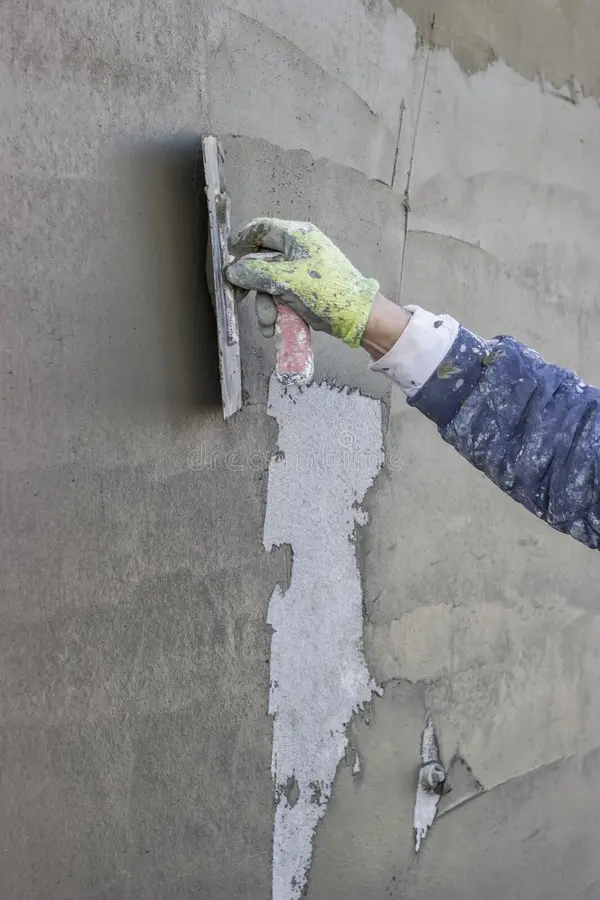
Rendering is a process where a protective and decorative coating is applied to external walls. After application, the render needs enough time to dry and chemically cure. Drying refers to moisture leaving the surface, while curing involves the materials strengthening and reaching their final durability.
The weather conditions during this period can directly affect the quality of the finished surface. If the render dries too quickly or too slowly, it may not achieve the strength and appearance expected.
Professional renderers consider local conditions before beginning a project. At Superior Rendering, careful preparation and correct application methods help ensure exterior finishes perform well across Sydney properties.
How Hot Weather Affects Render Drying
High temperatures can create challenges during the rendering process. When walls and surfaces become very hot, the moisture in the render can evaporate too quickly before the material has enough time to cure correctly.
Rapid drying may lead to:
- Shrinkage cracks appearing on the rendered surface
- Uneven texture or patchy colouring
- Reduced adhesion between layers
- A weaker final finish
Sydney summers can bring periods of intense heat, especially on walls exposed to direct sunlight. Experienced professionals often adjust working times, use suitable techniques and monitor surface temperatures to reduce these risks.
Keeping the curing process controlled allows the render to develop proper strength instead of drying prematurely.
How Rain and Humidity Impact Render Curing
Rain is one of the biggest concerns after fresh render has been applied. Excess moisture can interfere with the curing process and may wash away or damage parts of the coating before it has properly hardened.
High humidity can also slow down evaporation, meaning the render may take longer to dry. While slower curing is not always harmful, extended moisture exposure can increase the risk of surface issues.
Before starting rendering work, professionals check weather forecasts and consider factors such as:
- Expected rainfall during and after application
- Humidity levels affecting drying times
- The amount of sunlight reaching the walls
- Protection requirements for newly rendered surfaces
For Sydney homes, planning around weather conditions helps achieve a more consistent and durable finish.
The Effects of Wind on Fresh Render
Strong winds can affect rendering in several ways. Wind increases evaporation, which can cause the surface to dry faster than the inner layers. This uneven drying can create visible imperfections.
Wind can also carry dust and debris onto fresh render, affecting the smoothness and appearance of the final coating.
Properties in exposed areas, including coastal locations around Sydney, may require additional care during installation. Using proper preparation methods and protecting freshly applied render can help prevent avoidable defects.
Render Drying and Curing Times in Different Conditions
The exact time required for render to dry and cure depends on the type of render used, wall condition and environmental factors.
Generally, drying times can vary based on:
- Cement render composition
- Acrylic or polymer render products
- Thickness of the applied layers
- Temperature and moisture levels
- Air movement around the building
A professional renderer will assess the surface and surrounding conditions rather than relying on a fixed timeframe. Allowing adequate curing time improves durability and helps the finish maintain its appearance for years.
How Sydney’s Climate Affects Exterior Rendering Projects
Sydney experiences a range of weather patterns throughout the year. Homes near the coast may experience salt exposure and higher humidity, while inland suburbs can experience hotter and drier conditions.
These environmental factors influence material selection and application methods. Choosing suitable rendering products and following manufacturer guidelines can help protect your walls against local conditions.
Superior Rendering understands that every property has different requirements. Factors such as building orientation, existing wall materials and exposure to weather all need to be considered before applying a new render finish.
Preparing Your Property Before Rendering Work Begins
Good preparation creates better results. Before rendering starts, several checks should be completed to ensure the surface is ready.
Important preparation steps include:
- Inspecting walls for cracks, movement or existing damage
- Cleaning and preparing the surface properly
- Selecting suitable render materials
- Checking upcoming weather conditions
- Protecting nearby areas from dust and materials
These steps help reduce problems during drying and curing while improving the overall lifespan of the rendered surface.
Australian Standards and Professional Rendering Practices
Quality rendering work should follow appropriate Australian building practices and manufacturer instructions for each product. Proper surface preparation, suitable materials and correct curing methods all contribute to a reliable exterior finish.
Professional contractors understand that rendering is not only about improving appearance. It also provides protection against moisture, weather exposure and general wear over time.
Following recognised industry practices gives homeowners confidence that their investment is completed safely and correctly.
When to Call a Professional
If you are planning exterior rendering in Sydney, working with an experienced rendering specialist can help you avoid weather-related issues and achieve a consistent finish.
Superior Rendering can assess your property, recommend suitable materials and complete the project using methods designed for Sydney conditions. Contact the team to discuss your rendering requirements and arrange professional advice for your home.
Conclusion
Weather conditions play a major role in render drying and curing. Temperature, rainfall, humidity and wind can all influence the final strength, texture and appearance of your rendered walls.
By planning the project around suitable conditions and using professional techniques, you can achieve a durable exterior finish that protects your property. If you need expert rendering services in Sydney, Superior Rendering is ready to help you create a quality result built to last.
FAQ
How long does render take to dry after application?
Render drying times vary depending on the material used, weather conditions and thickness of the application. Most surfaces require several days before they are fully dry, while curing can take longer.
Can rain damage fresh render?
Yes. Rain can affect fresh render by interfering with the curing process and damaging the surface before it has hardened. Professional planning helps reduce this risk.
What temperature is best for rendering?
Moderate temperatures are generally preferred for rendering because extreme heat or cold can affect drying and curing. Professionals assess conditions before starting work.
Why does render crack after drying?
Render can crack due to several factors, including rapid drying, incorrect application, movement in the building structure, poor preparation or unsuitable weather conditions during curing.