

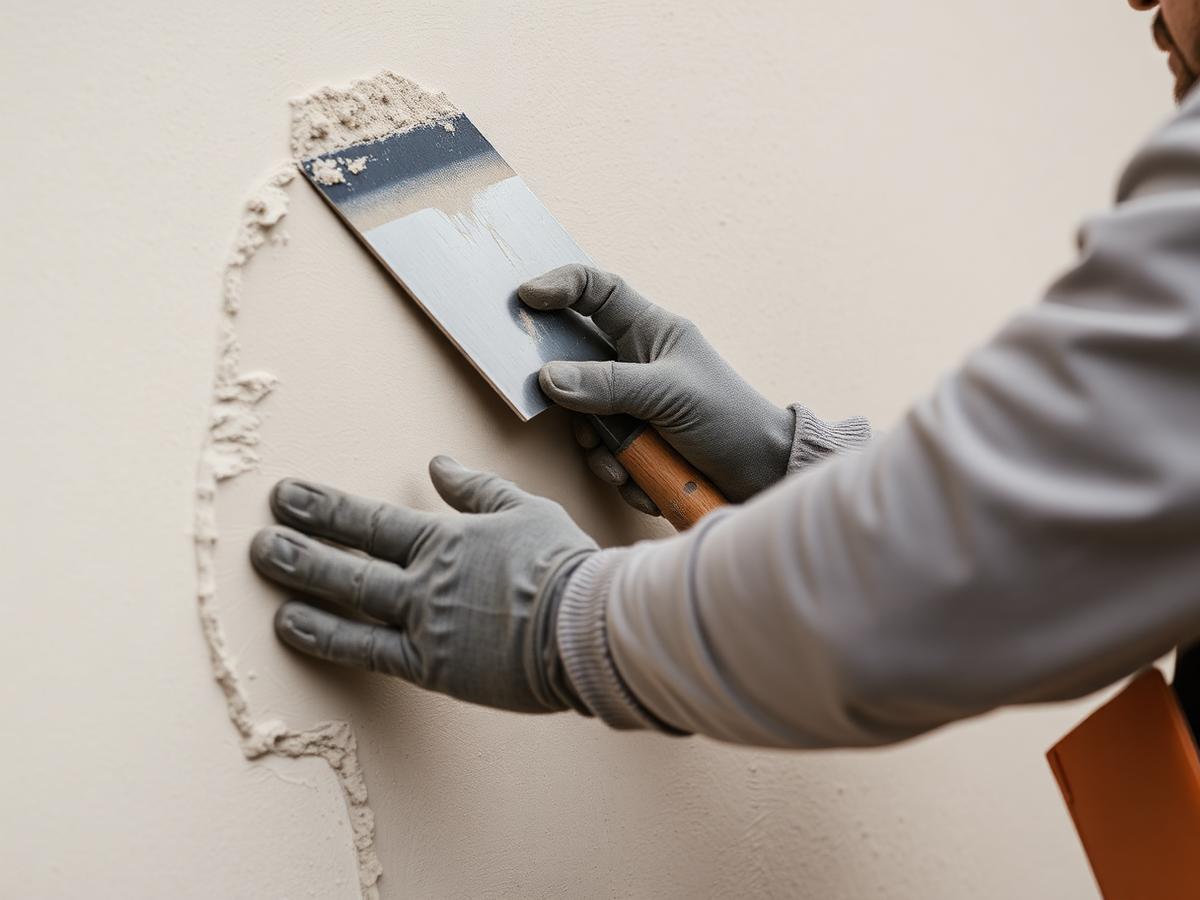
Painting over rendered walls can transform the appearance of your home, improve kerb appeal, and help protect your exterior surfaces. You can paint over existing render if the surface is clean, stable, and properly prepared. The process involves checking the render condition, repairing damage, applying suitable coatings, and using products designed for Australian conditions.
Many Sydney homeowners consider refreshing their rendered exteriors when the colour has faded, marks have appeared, or the property needs a modern update. However, applying paint directly without preparation can lead to peeling, bubbling, or uneven finishes.
Why Proper Preparation Matters Before Painting Rendered Surfaces
When you paint over existing render, preparation is the most important step for achieving a long-lasting finish. Render is a porous material, meaning it absorbs moisture and reacts to changes in temperature and weather conditions.
Before applying any paint, you should inspect the surface for cracks, loose areas, mould growth, salt deposits, or signs of water damage. Small imperfections may be easy to repair, but larger problems can indicate that the render needs professional attention before painting begins.
Sydney homes are exposed to changing weather conditions, including intense sunlight, coastal moisture, and rainfall. These conditions can affect rendered walls over time, which is why using the correct preparation methods and exterior coatings is essential.
Can You Paint Over Existing Render Without Repairs?
Yes, you can paint over existing render, but only when the surface is structurally sound. Painting over damaged render can hide problems temporarily while allowing moisture and deterioration to continue underneath.
Before starting, check for:
- Hairline cracks and larger structural cracks
- Flaking or powdery render
- Mould, algae, or mildew growth
- Uneven patches or previous coating failures
- Water stains or moisture issues
- Loose sections that move when touched
Cleaning the walls thoroughly and repairing damaged areas creates a stable base for paint. A professional rendering specialist can assess whether repairs are required or whether the surface is ready for a new coating.
The Best Process for Painting Existing Render
A quality finish requires more than simply choosing an exterior paint colour. The correct preparation and application process helps the coating bond properly and maintain its appearance.
The typical process includes:
1. Surface Inspection
The first step is assessing the condition of the render. Professionals look for cracks, movement, moisture issues, and previous paint problems that could affect the final result.
2. Cleaning and Preparation
Dirt, dust, mould, and old surface contaminants must be removed before painting. Depending on the condition, this may involve pressure cleaning, mould treatment, or gentle surface preparation.
3. Repairing Damaged Areas
Cracks and damaged sections should be repaired using suitable materials that match the existing render. This helps prevent visible repairs showing through the finished paintwork.
4. Applying Primer and Exterior Paint
A suitable primer helps improve adhesion, especially on older or porous surfaces. Exterior acrylic paints designed for rendered walls provide better protection against Australian weather conditions.
Superior Rendering focuses on creating durable rendered finishes that suit Sydney properties and the specific challenges of local exterior surfaces. Proper product selection and preparation help homeowners achieve a cleaner and more reliable result.
Choosing the Right Paint for Rendered Walls
Not all paints are suitable for exterior render. The right coating should allow the wall to breathe while providing protection from moisture and UV exposure.
Common options include:
- Exterior acrylic paint for flexible, weather-resistant protection
- Elastomeric coatings for surfaces with minor movement
- Mineral-based coatings for certain specialised applications
- Low-sheen finishes that help hide small surface imperfections
Your choice will depend on the render type, existing condition, exposure level, and the appearance you want to achieve.
Common Mistakes When Painting Over Render
Many homeowners attempt to update their exterior walls without considering the preparation required. While painting may seem straightforward, mistakes can reduce the lifespan of the finish.
Some common issues include:
- Painting over dirty or damp render
- Ignoring cracks and surface damage
- Using interior paint on exterior walls
- Skipping primer on porous surfaces
- Applying paint during unsuitable weather conditions
Taking the time to prepare correctly can prevent unnecessary repainting and repair costs in the future.
Australian Standards and Exterior Render Considerations
Quality exterior work should consider Australian building practices and suitable materials for local environments. In Australia, external wall finishes need to manage moisture movement, weather exposure, and durability requirements.
While painting itself may not require major building approvals, repairs to damaged render or underlying wall issues should be completed correctly to maintain the integrity of the building.
Professional tradespeople follow appropriate preparation methods and use products suitable for Australian residential conditions. This helps ensure the finished surface remains attractive and functional over time.
When to Call a Professional
You may be able to handle minor painting projects yourself, especially if the render is in excellent condition. However, professional assistance is recommended when you notice cracks, moisture problems, extensive surface damage, or previous coating failures.
A rendering specialist can identify hidden issues, recommend suitable solutions, and complete preparation work that improves the final appearance. For homeowners wanting a reliable finish, Superior Rendering provides expert rendering solutions and advice for properties throughout Sydney.
Contact a professional team before starting your project if you are unsure whether your existing render is suitable for painting. A proper assessment can help you avoid costly mistakes and achieve a smooth, durable exterior finish.
Conclusion
Painting rendered walls can be an effective way to refresh your Sydney property and improve its overall appearance. You can paint over existing render successfully when the surface is properly inspected, repaired, cleaned, and prepared with suitable exterior products.
Understanding the condition of your render is the key to achieving long-lasting results. Whether you need minor repairs or a complete exterior refresh, getting expert advice can help protect your investment.
If you are planning to update your rendered walls, contact Superior Rendering for professional guidance and quality workmanship tailored to your property needs.
FAQ
Can you paint over old rendered walls?
Yes, you can paint over old rendered walls if the render is stable, clean, and free from major damage. Any cracks, moisture issues, or loose areas should be repaired before painting.
What type of paint is best for exterior render?
Exterior acrylic paints are commonly used for rendered walls because they provide durability, flexibility, and protection against Australian weather conditions.
Do I need to prime render before painting?
Priming is often recommended, especially for older or highly porous render. Primer helps improve paint adhesion and creates a more consistent finish.
How long does painted render last?
The lifespan of painted render depends on the quality of preparation, paint products used, weather exposure, and maintenance. A properly prepared exterior coating can provide many years of protection.
If you are planning a project, have a look at our render repairs and acrylic rendering services across Sydney, or get in touch for a quote.