

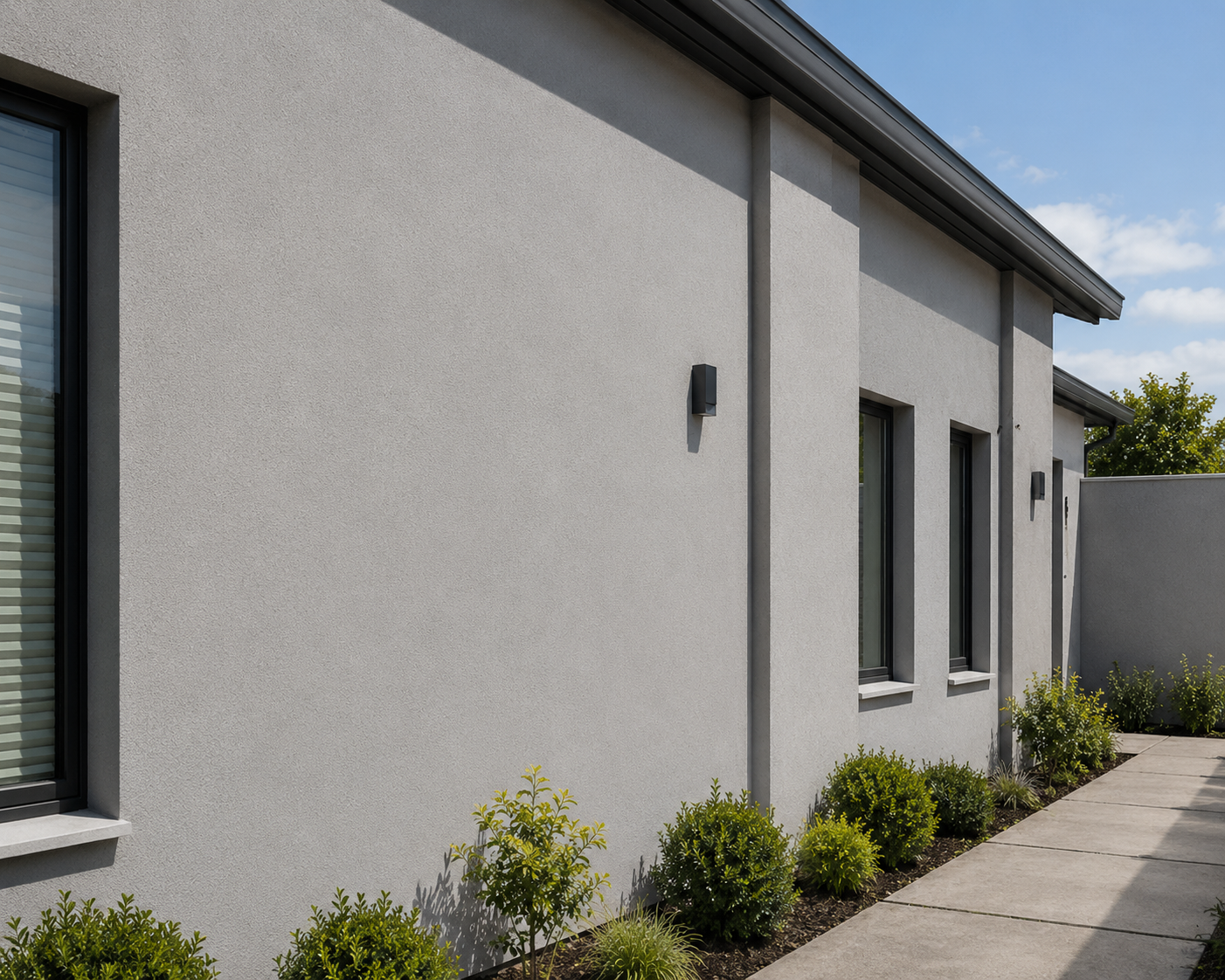
Most homeowners notice a crack in their rendered wall. What they often miss are the smaller changes that appear beforehand.
A faint stain beneath a window, a patch of render that looks slightly different from the surrounding surface, or a hairline crack that seems too small to worry about can all be early indications that something is changing. These issues may not look serious at first, but ignoring them can allow minor deterioration to develop into more noticeable and expensive damage.
For homeowners and property managers considering Render Repairs Sydney services, knowing the early warning signs is an important part of maintaining a property. Superior Rendering works with rendered homes and commercial properties across Sydney and the Northern Beaches, helping property owners identify damaged areas and determine the right approach for restoring their exterior surfaces.
The good news is that render problems do not always mean a complete replacement is necessary. When damage is identified early, targeted repairs can often restore the appearance and performance of the affected area.
Why Does Render Deteriorate Over Time?
Exterior render has to cope with much more than everyday wear and tear. It sits on the outside of a building and is continually exposed to weather, moisture and changes in temperature.
Sydney properties can experience strong sunlight, heavy rain, wind, humidity and, particularly in coastal areas, salty air. Over many years, these conditions can gradually affect rendered surfaces.
Building movement can also contribute to cracking. As a property naturally settles or responds to temperature changes, stress can develop within the render. Poor surface preparation, ageing materials, moisture problems and previous repair work can create additional complications.
This does not mean that older render will automatically fail. A well-installed and properly maintained rendered surface can remain attractive and functional for many years. The important thing is to recognise changes before they become widespread.
The Early Signs of Render Damage You Shouldn’t Ignore
Render damage often develops gradually rather than appearing as one dramatic problem. That is why routine visual checks can be useful, particularly after periods of heavy rain, extreme weather or other building work.
If you know what to look for, you may be able to identify a developing problem before it affects a larger section of the wall.
Signs your rendered walls may need professional attention include:
- Hairline cracks that are becoming longer, wider or more numerous
- Sections of render that sound hollow when gently tapped
- Dark patches, water marks or staining that repeatedly return
- Render that has become powdery, brittle, rough or uneven
- Chips or impact damage that expose the underlying surface
- Previous repairs that are becoming increasingly visible
- Noticeable differences in colour or texture across the wall
- Areas where render appears to be separating from the substrate
Not every one of these signs means that major repairs are required. However, if the problem is spreading or repeatedly returning, having the surface assessed can help determine what is actually happening beneath the visible finish.
1. Hairline Cracks Are Starting to Multiply
A single fine crack is not necessarily a cause for alarm. Render can develop minor surface cracking as buildings naturally move and materials respond to changes in temperature.
The situation becomes more concerning when cracks begin appearing across several areas or when existing cracks continue to grow.
Cracking can be associated with building movement, temperature fluctuations, ageing materials, moisture and surface stress. The appearance of the crack can provide useful clues, but its underlying cause is what ultimately determines the appropriate repair.
Simply filling a crack without understanding why it formed may only provide a temporary solution. If the same area continues to crack, the repair may fail again.
2. Sections of Render Sound Hollow
This is one of the warning signs that is easy to miss because the surface may look completely normal.
When a rendered section has lost some of its adhesion to the surface beneath it, gently tapping the area may produce a hollow sound compared with surrounding sections.
Hollow-sounding render can be associated with separation, moisture-related problems or adhesion issues. It does not necessarily mean the entire wall needs to be removed, but it is a good reason to have the affected area assessed.
Finding loose or poorly bonded render early can make it easier to determine whether localized repairs are suitable.
3. Staining Keeps Coming Back
Not every stain on a rendered wall is simply dirt.
Persistent dark patches, water marks or discolouration can sometimes indicate that moisture is affecting the surface. This is particularly worth investigating when staining repeatedly returns after cleaning or appears around windows, roof lines, drainage points or other areas where water may enter or collect.
Cleaning the visible mark may improve the appearance temporarily, but it does not address the underlying cause if moisture is involved.
Before carrying out cosmetic repairs, it is important to determine where the moisture is coming from and whether the render or surrounding building materials have been affected.
4. The Render Has Become Rough, Brittle or Powdery
A rendered wall can change gradually over time.
You may notice that an area which once looked smooth has become rougher, more brittle or slightly powdery. The finish may also begin to look uneven compared with other parts of the property.
Surface deterioration can result from prolonged weather exposure, ageing, moisture or other environmental factors. While these changes may initially appear cosmetic, deterioration of the surface can make the render more vulnerable to further damage.
A professional assessment can help determine whether the problem is limited to the finish or whether the underlying render also requires attention.
5. Old Repair Work Is Becoming Obvious
Older homes often have a history of maintenance and repair work. Over time, individual patches may become more noticeable as the surrounding render weathers.
You might see differences in:
- Colour
- Texture
- Finish
- Surface level
- Patch boundaries
This can make an otherwise well-maintained property look inconsistent.
Matching existing render is not always as straightforward as applying a new product over an old repair. Existing materials, texture, weathering and colour all need to be considered if the goal is to achieve a seamless-looking result.
6. Chips Are Appearing Around High-Impact Areas
Rendered walls can be damaged by everyday accidents.
Garden equipment, outdoor furniture, ladders, moving objects and general household activity can all cause chips or impact marks. Small areas of damage may not appear urgent, but exposed sections can become more vulnerable to weather and moisture.
Repairing these areas while they are still relatively small can help prevent the damage from spreading and make it easier to achieve a consistent finish.
7. Your Property Looks More Worn Than It Should
Sometimes there is no single dramatic defect.
Instead, the entire exterior simply starts to look tired.
Faded colour, old patch repairs, surface imperfections, minor cracking and general weathering can gradually change the appearance of a rendered property. This is particularly noticeable when different sections have aged at different rates.
In these situations, professional render repairs may help restore individual damaged areas and improve the overall consistency of the exterior without automatically requiring a complete rendering project.
What Causes Render Damage?
There is rarely one universal cause of render deterioration. The condition of the wall, installation quality, materials used and local environment can all influence how the surface performs.
| Render Problem | Common Contributing Factor | What It May Indicate | Recommended Action |
| Hairline or spreading cracks | Building movement, temperature changes or ageing | Surface stress or movement | Have significant or recurring cracks assessed |
| Hollow-sounding areas | Poor adhesion, separation or moisture | Render may have become detached | Professional inspection recommended |
| Persistent staining | Moisture, water entry or environmental exposure | Possible moisture-related issue | Identify the moisture source before repairing |
| Powdery or brittle surface | Weathering, ageing or deterioration | Reduced surface integrity | Assess the condition of the render |
| Chips and impact marks | Accidental impact or general wear | Localized surface damage | Repair exposed areas before further deterioration |
| Mismatched repairs | Previous patching or weathering | Inconsistent appearance | Consider professional colour and texture matching |
| Widespread surface deterioration | Long-term exposure or ageing | More extensive render failure | Professional assessment to determine repair scope |
Understanding the cause matters because repairing the visible symptom alone may not prevent the problem from returning.
Why DIY Render Repairs Can Be More Difficult Than They Look
Render repair can look like a straightforward job from the outside. Fill the crack, smooth the surface, apply some paint and move on.
In practice, achieving a durable and visually consistent repair can be much more complicated.
The new material needs to work with the existing surface. Preparation has to be appropriate, the texture needs to blend with the surrounding wall, and the repaired area may need to match a finish that has already been exposed to years of weather.
Colour matching can also become difficult because older render may have faded or changed slightly over time.
A repair can therefore be structurally adequate but still stand out visually. Professional render repair focuses on both the condition of the surface and how the finished area will integrate with the existing wall.
Why Early Render Repairs Can Make a Difference
It is easy to put off a small crack or patch of damaged render when the rest of the property looks fine.
However, waiting does not necessarily make the problem disappear.
Early assessment can help property owners understand whether a defect is simply cosmetic or whether there is an underlying issue that needs attention. It can also make it easier to plan localised repairs before damage becomes more extensive.
For homeowners looking for broader information about maintaining residential buildings, the Australian Government’s Your Home initiative provides guidance on building performance, durability, moisture management and maintaining healthy, sustainable homes.
When Should You Contact a Professional?
Not every imperfection requires immediate professional intervention. However, an assessment is worth considering when a problem is recurring, spreading or becoming more noticeable.
Pay particular attention to cracks that continue to develop, hollow-sounding sections, persistent moisture staining and areas where previous repairs are failing.
It is also sensible to seek professional advice when damage covers a large section of the wall or when you are unsure whether the problem is limited to the render itself.
A professional can assess the visible condition, consider possible contributing factors and recommend whether localised repair, further investigation or another solution is appropriate.
Protect Your Property Before Render Problems Get Worse
Rendered walls play an important role in the appearance and protection of a property. Although render is designed to withstand outdoor conditions, it still requires attention as it ages.
Cracks, hollow areas, staining, chips, powdery surfaces and increasingly visible patch repairs should not automatically be dismissed as cosmetic issues. In some cases, they can be early signs of deterioration that deserves closer inspection.
For property owners in Sydney and the Northern Beaches, addressing problems early can make maintenance more manageable and help preserve the appearance of the building.
Need Professional Render Repairs Sydney Services?
Superior Rendering provides professional render repairs Sydney services for residential and commercial properties across Sydney and the Northern Beaches. Our team can assess damaged render, identify areas requiring attention and carry out suitable repairs to help restore the appearance and durability of your exterior surfaces.
If your rendered walls are showing cracks, staining, chips, hollow areas or signs of general deterioration, contact Superior Rendering to discuss your repair requirements.
Frequently Asked Questions
What are the most common signs that render needs repair?
Can small cracks in render be ignored?
How long do render repairs typically last?
Are render repairs suitable for coastal properties in Sydney?
If you are planning a project, have a look at our acrylic rendering and cement rendering services across Sydney, or get in touch for a quote.